


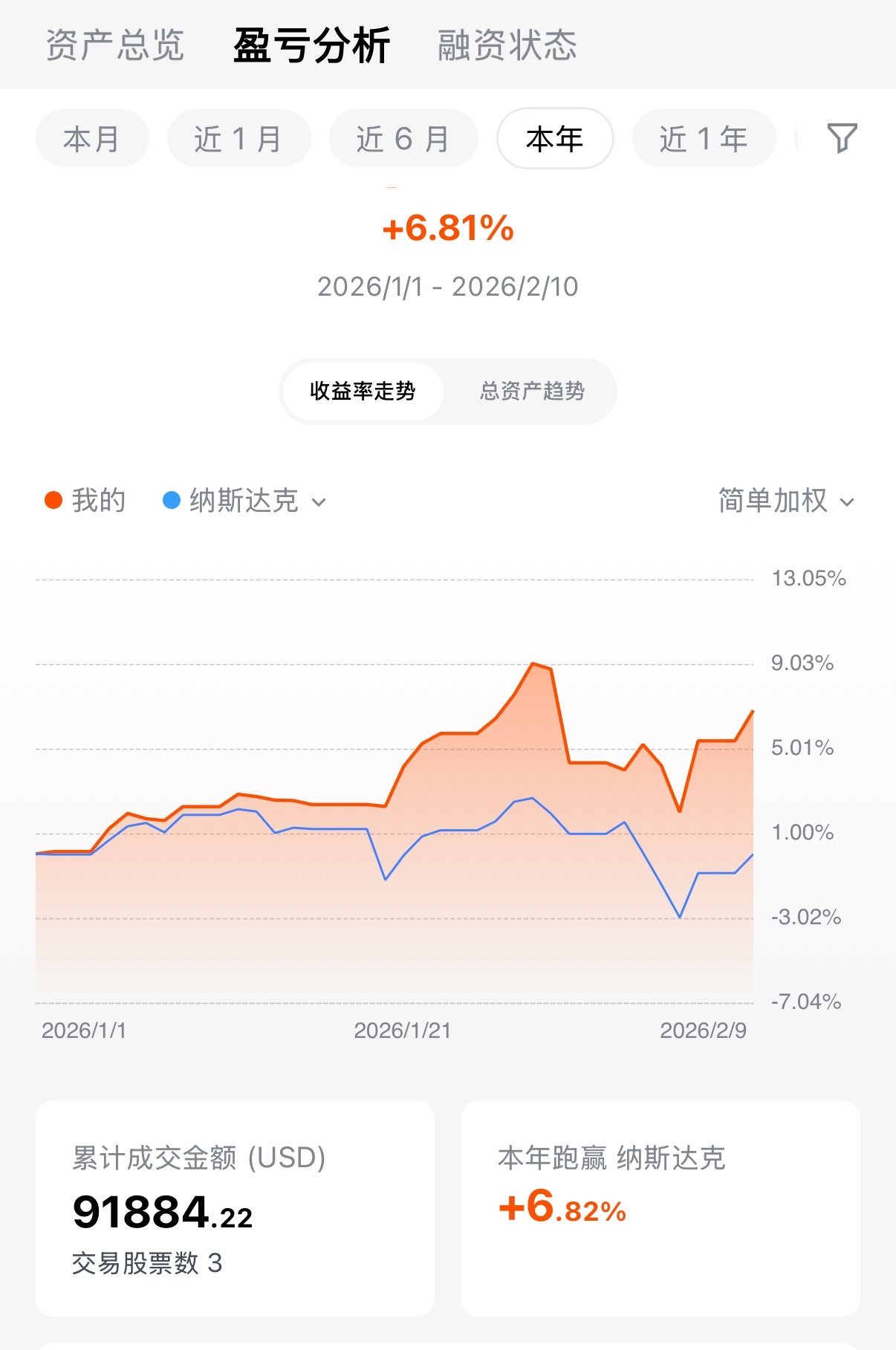
 Rate Of Return
 Total Assets
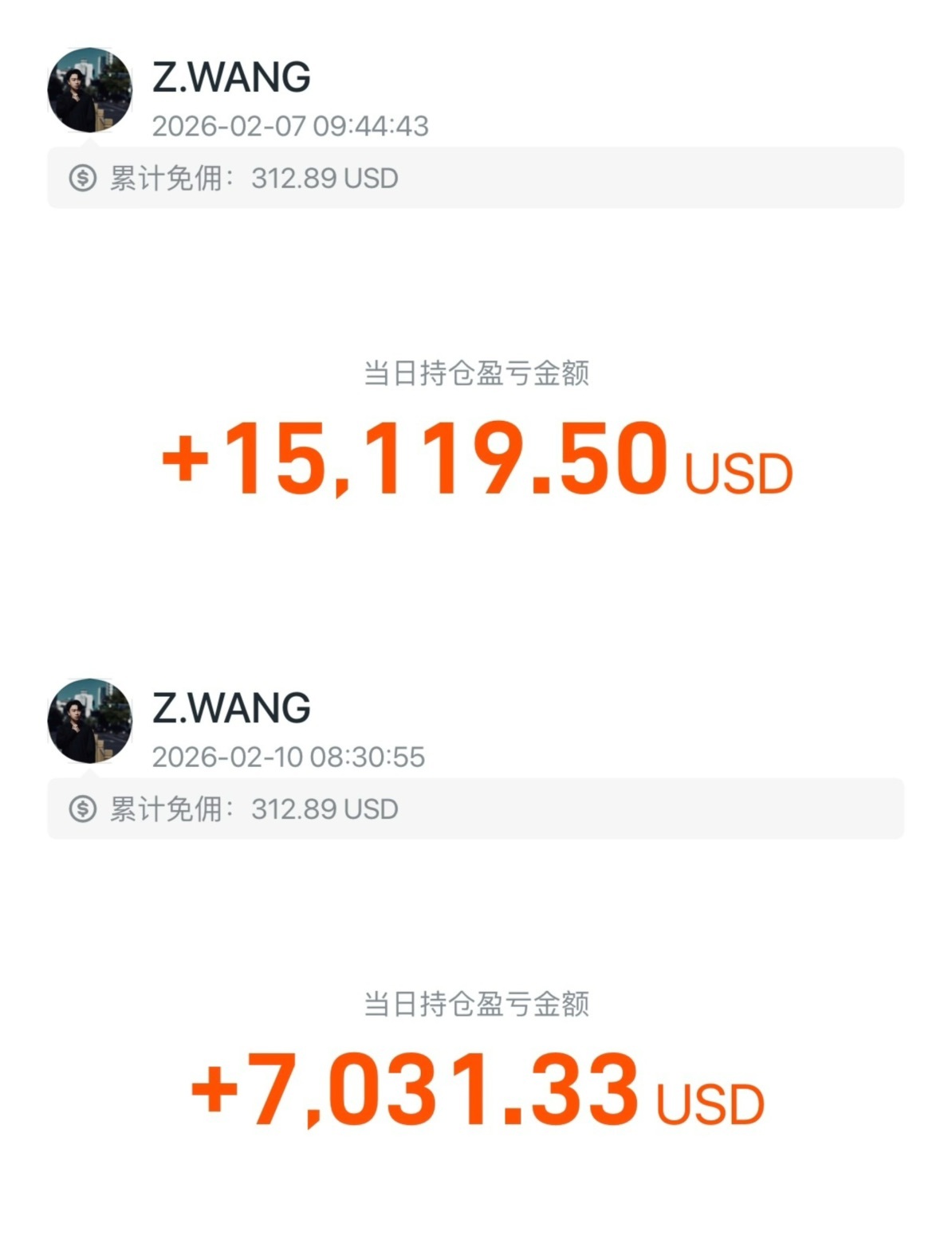
A relatively ideal counterattack

After the first round of correction in 2026, I positioned corresponding trades. The previous gains have been partially given back, which is a bit regrettable. If there were GVZ-related products available for hedging, the portfolio performance might have been better.
Let's talk about the market.
Recently, investment banks like Citi and Morgan have repeatedly emphasized that "China is the main buyer of gold and silver." In my view, this seems more like a narrative steering, easily diverting market attention from the real marginal forces.
The more crucial dominant capital may not be the publicly attributed "demand from a certain country," but could come from within the Western financial system—including traditional capital and long-term funds behind the large investment banking system—that are continuously increasing their allocation to physical gold and silver to hedge against tail risks arising from the medium-to-long-term weakening of the US, credit expansion, and intensified fiscal constraints.
This "physicalization" allocation tendency will directly squeeze the deliverable spot supply in Western exchanges and clearing systems: when paper trading can be infinitely amplified, but deliverable inventories cannot expand simultaneously, spot tightness and premium increases will become structural and drive rapid price appreciation.
One of the resulting outcomes is the acceleration of cross-market arbitrage and inventory redistribution, further amplifying the abnormal outflow or inventory spillover of silver in certain regions (including domestically)—superficially appearing as "trade flows," but essentially the global inventory being repriced and repositioned.
At the same time, domestic demand for silver not only comes from the investment side but is also strongly supported by rigid demand from the industrial side (increased silver consumption intensity in chains like photovoltaics, electronics, and electrification).
Under the framework of "strategic resource + critical industrial material," if supply-demand mismatches or outflow disruptions occur, it is not surprising to strengthen export management and increase resource retention rates. The logic is similar to the policy orientation for rare earths: prioritize ensuring industrial chain security and long-term supply stability, rather than letting short-term price differentials drive disorderly resource outflow.
Therefore, the statements from some Western investment banks need to be examined closely: when they emphasize on the narrative level that "if China doesn't buy, the price will fall," while the spot side remains persistently tight, such rhetoric seems more like using sentiment and expectations to create short-term volatility—by amplifying panic and triggering stampedes to depress prices and improve their own reconfiguration window. Especially for silver, its market size is smaller and more elastic compared to gold, making it easier for capital to quietly accumulate and transfer positions within the structure of "tight supply—high volatility—low visibility."
Gold is, of course, the ultimate hedging asset, but precisely because of its limited total supply and high market attention, any "large-scale, centralized" accumulation is more easily exposed and more likely to trigger immediate reactions from regulators and the market. In contrast, silver has formed a more suitable ground for "low-visibility accumulation" between capital concealment, price elasticity, and industrial attributes. This also explains why, at certain stages, the structural tightness and price performance of silver can be more "abnormal" and explosive.
I hope to make accurate judgments going forward and see the portfolio returns return to their peak.
$SPDR Gold Shares(GLD.US) $iShares Silver Tr(SLV.US) $Invesco QQQ Trust(QQQ.US) $2x Long VIX Futures ETF(UVIX.US)
The copyright of this article belongs to the original author/organization.
The views expressed herein are solely those of the author and do not reflect the stance of the platform. The content is intended for investment reference purposes only and shall not be considered as investment advice. Please contact us if you have any questions or suggestions regarding the content services provided by the platform.
