



More important than turning losses into profits is betting on the right iron-making process. Did Cailu New Energy really hit the jackpot with excess dividends?

Recently, Hong Kong-listed company Caike New Energy (01986.HK) issued a positive profit alert for 2025, expecting to turn losses into profits with an annual net profit of no less than RMB 25 million.
This figure is not stunning, but it means this chemical + new energy materials company, which has long been struggling to survive in a tight spot, has found a breakthrough for performance improvement.
As is well known, the upstream new energy sector has been undergoing a systemic cyclical adjustment over the past two years; currently, many bottoming signals are quietly being released. Caike New Energy's relatively stable profit recovery is deeply rooted in its business restructuring, technological value reshaping, and changes in the macro environment—none of which can be omitted.
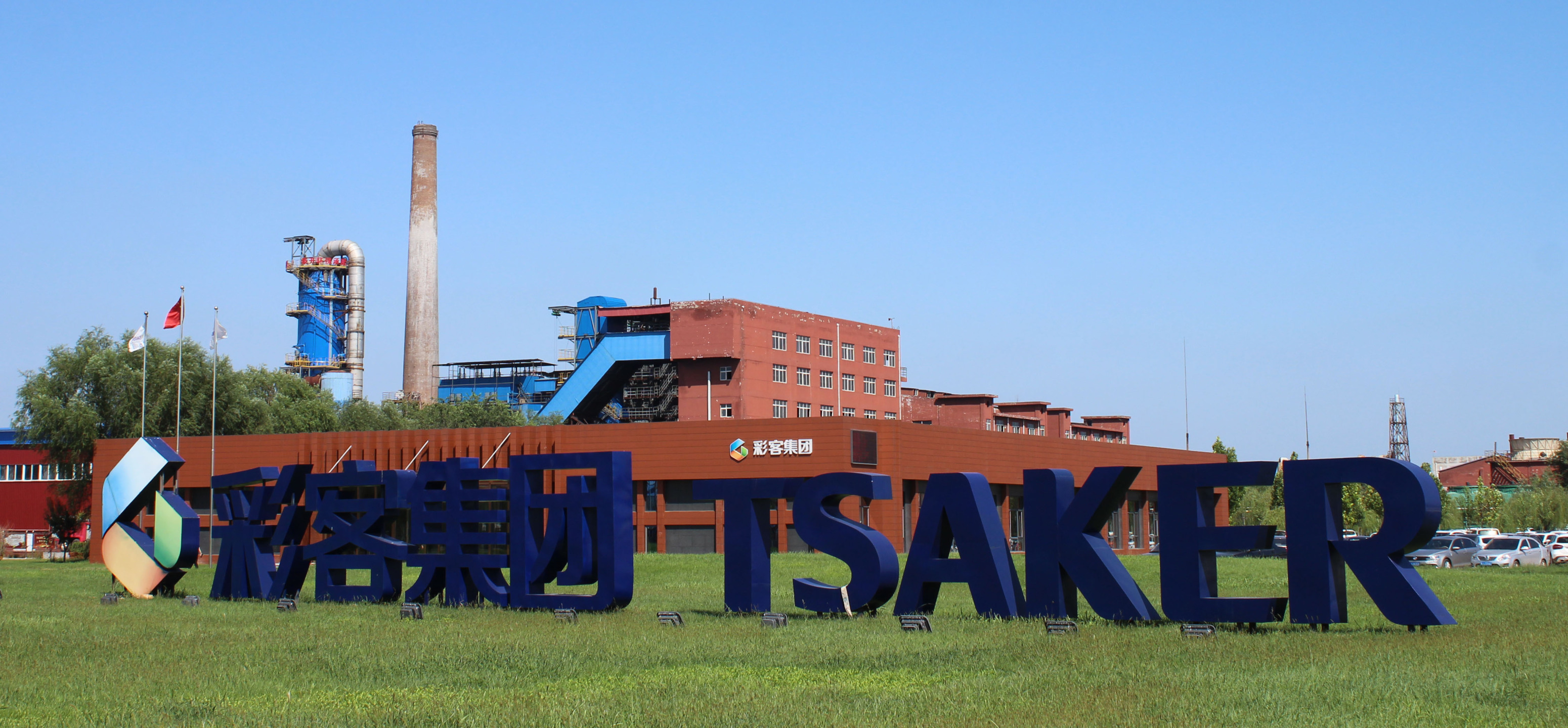
Clear Upward Signs: Turning Losses into Profits and Share Buyback Cancellation
Caike New Energy mainly operates chemical products, and its position in the industrial chain belongs to the "upstream of fine chemicals." Its business is divided into five segments: battery materials, pigment intermediates, dye intermediates, pesticide intermediates, and environmental consulting, with battery materials accounting for about a quarter, being one of the most watched growth points in recent years.
The profit alert announcement clearly stated that the turnaround in 2025 mainly benefited from the sustained growth in end-market demand, especially the increased demand for pigment intermediates and new material products downstream. Although the announcement did not specifically disclose the profit contribution of the standalone battery materials business, judging from the context of the company's overall profit improvement, the new energy segment is undoubtedly one of the key factors.
This aligns with the overall demand logic of the industry: the global scale of electric vehicles and energy storage installations continues to grow, and although some institutions expect phased downward pressure on lithium battery demand in early 2026, the long-term fundamentals remain supportive.
Notably, another immediate report outside the announcement showed that Caike Technology, a non-wholly owned subsidiary of Caike New Energy, achieved operating revenue of RMB 507 million in 2025, a year-on-year increase of 11.49%; net profit attributable to the parent company was RMB 146 million, a year-on-year increase of 26.55%.
This indicates that the profit improvement at the subsidiary level has been significantly released, and its new materials and new energy-related businesses are forming independent profitability, which is of positive significance for enhancing the overall group's performance flexibility.
In summary, the turnaround is actually the result of the combined effects of industry cyclical changes, industrial restructuring, and corporate strategic shifts: on the demand side, with the continuous growth of new energy vehicles, energy storage, and other fields, the demand for intermediates and battery-grade materials is steadily rising; on the market side, the prices of raw materials such as lithium salts and lithium carbonate rose significantly in early 2026, boosting the pricing power of material suppliers. At the same time, internally, the company has focused more on the high-performance materials market, thereby improving gross margins and profitability.
It is worth mentioning that almost simultaneously with the release of the alert, the company announced the cancellation of approximately 838,000 repurchased shares. This usually implies management's relative recognition of the company's value and long-term confidence. The market reacted positively, with its stock price rising more than 6% on the second trading day after the earnings report.
Such behavior is straightforward, meaning the company is sending a "stabilization signal" to the market, which is both external and internal. And Caike New Energy needs such a signal. From a valuation perspective, the company's market performance has been relatively sluggish. As of late August 2025, its price-to-book ratio was about 0.42x and its price-to-sales ratio was about 0.35x, clearly reflecting the overall market's cautious attitude toward its profitability and growth potential.
The Rise of the Iron Process: Will Caike at the Forefront Enjoy Excess Dividends?
The reversal in Caike New Energy's performance is primarily driven by its battery materials segment, especially the contribution of its lithium iron phosphate (LFP) business. However, its success is not simply due to riding the wave of LFP demand but more crucially lies in its choice to go all-in on a process path that was not mainstream at the time—the iron process.
For a long time, the mainstream processes for LFP production were the ammonium method and the sodium method, with the ammonium method dominating absolutely due to its mature process. According to data from BaiChuan Info, the ammonium method accounted for 70% of total LFP capacity in 2025.
Caike New Energy, however, chose the less common iron process route. This choice initially seemed risky but was highly logical from a business perspective, directly avoiding a capacity arms race with giants in mainstream processes and instead establishing a first-mover advantage in a relatively "niche" but potentially more cost- and environmentally-friendly track.
BaiChuan Info data shows that the market position of the iron process is rapidly rising. Known publicly disclosed capacity surged from 129,000 tons in 2022 to 1.25 million tons in 2025, with a compound annual growth rate of over 100%, surpassing the sodium method to become the second-largest mainstream process.
Caike New Energy is a major beneficiary and driver of this trend. In 2025, the company's iron-process LFP output reached 72,300 tons, firmly ranking among the top in the iron-process sector for external sales. To some extent, this suggests that its technological route choice may be on the eve of transitioning from differentiation to mainstream adoption.
The advantages of the iron process were further amplified into tangible competitiveness in the 2025 market environment. The core lies in the stability of the cost structure. While the prices of key raw materials for the ammonium and sodium methods continued to rise, pushing their costs to around RMB 11,600/ton in 2025, the cost of the iron process remained relatively stable, fluctuating in the range of RMB 11,000–11,500/ton. The crossover of cost lines transformed the iron process from a "potential advantage" to an "immediate advantage."
The deeper moat lies in the inherent characteristics of the process itself. The iron process has comprehensive advantages such as short flow, low investment, fast construction cycles, fewer by-products, and lower environmental pressure. Against the backdrop of manufacturing increasingly emphasizing ESG and carbon emissions, these non-financial advantages are gradually transforming into hard strengths for obtaining project approvals, reducing operating expenses, and winning customer favor.
BaiChuan Info predicts that the iron process will account for 28% of new LFP capacity in 2026, becoming the second-largest source of new additions, while the sodium method has no new plans. The balance of industry technological iteration is tilting toward the field where Caike New Energy excels.
The copyright of this article belongs to the original author/organization.
The views expressed herein are solely those of the author and do not reflect the stance of the platform. The content is intended for investment reference purposes only and shall not be considered as investment advice. Please contact us if you have any questions or suggestions regarding the content services provided by the platform.
