


August 14th External Market Headlines: The yield on the U.S. 30-year Treasury bond auction hits a 25-year high, oil prices decline, and inflation reports continue to be positive. AMD plans to issue bonds to raise $5 billion
The yield on the U.S. 30-year Treasury bond has reached a 25-year high, making rising financing costs a tricky problem; the decline in oil prices reinforces expectations that inflation has peaked, and traders are no longer fully digesting the scenario of the Federal Reserve raising interest rates within the year; AMD plans to issue up to $5 billion in investment-grade bonds to raise funds

Global financial media's headlines of common concern last night and this morning include:

U.S. 30-Year Treasury Yield Hits 25-Year High, Rising Debt Costs May Become a Thorny Issue
The yield on the U.S. government's 30-year Treasury bond auction has reached a 25-year high. This follows a historic sell-off of long-term U.S. Treasuries, raising market speculation that the U.S. may further shift its debt structure towards shorter maturities.
On Thursday, the yield on the $25 billion 30-year Treasury bond auction was 5.216%, the highest level since 2001, despite falling oil prices pushing secondary market Treasury prices higher. The previous day, the yield on the 10-year U.S. Treasury bond auction also reached a new high for that maturity since 2007.
This poses a thorny issue for U.S. President Donald Trump and Treasury Secretary Steven Mnuchin ahead of the midterm elections in November. After years of high inflation and elevated government spending, the government's financing costs remain high and have begun to transmit to broader economic areas.
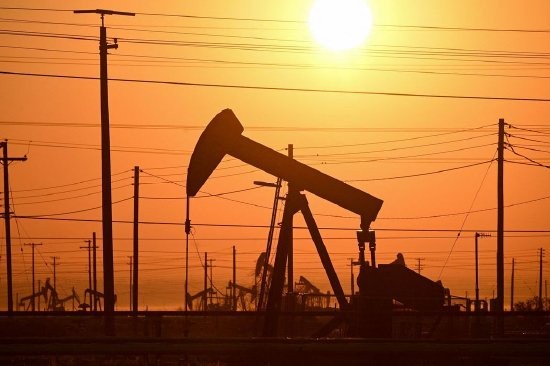
Falling Oil Prices and Positive Inflation Reports Lead Traders to No Longer Fully Price in Fed Rate Hikes This Year
As falling oil prices strengthen market optimism about the inflation outlook, bond traders are no longer fully pricing in the scenario of the Federal Reserve raising interest rates this year.
Since the U.S. attacked Iran at the end of February, causing supply shocks, benchmark oil prices have been one of the key factors driving U.S. Treasury yields. On Thursday, as traders assessed various signals released by the conflict, oil prices fell more than 3%, further reinforcing market optimism that U.S. inflation has peaked.
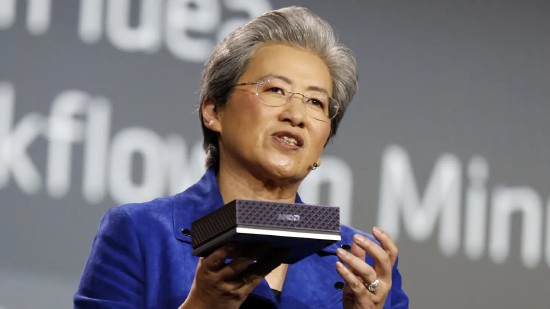
AMD Plans to Issue Investment-Grade Bonds to Raise Up to $5 Billion AMD plans to raise up to $5 billion by issuing what could be the largest investment-grade bond in the company's history, joining the ranks of companies issuing bonds driven by the AI boom.
According to insiders, the final size of the bond issuance has not yet been determined and may be adjusted based on market demand.
Another insider indicated that AMD plans to issue bonds in four tranches, with maturities ranging from 3 to 10 years. The initial price guidance for the 10-year bonds is set at 115 basis points above U.S. Treasury yields. This individual requested anonymity as the information has not been made public.
This bond issuance comes as AMD increases investments to meet the surging demand for computing power driven by the AI boom. The company recently announced agreements with Anthropic PBC and Microsoft to expand the application of its AI chips.

OpenAI's Chief Revenue Officer Dennis Dreiser is set to leave, marking the second executive departure in a few days
OpenAI announced on Thursday that Chief Revenue Officer Dennis Dreiser will be leaving the company. She has been with the artificial intelligence lab for less than a year. OpenAI is currently preparing for a widely anticipated large-scale initial public offering, and the series of executive departures has raised concerns.
The announcement stated that Dreiser is leaving to "pursue other development opportunities." OpenAI has hired Dali Rajic, former president and COO of cybersecurity firm Wiz, to take over the position.

Federal Reserve's Harmack highlights three areas that could impact financial stability, including high leverage in the U.S. Treasury market
Beth Harmack, president of the Federal Reserve Bank of Cleveland, stated that she is currently focused on three areas that could affect U.S. financial stability, including the leverage levels in the U.S. Treasury market.
Speaking at an event in Dayton, Ohio, on Thursday, she said, "We have a lot of outstanding debt, and this debt is being purchased with a significant amount of leverage."
She added, "The buyers of this debt are actually borrowing money to buy the debt, so from that perspective, it could create some instability in the financial system."
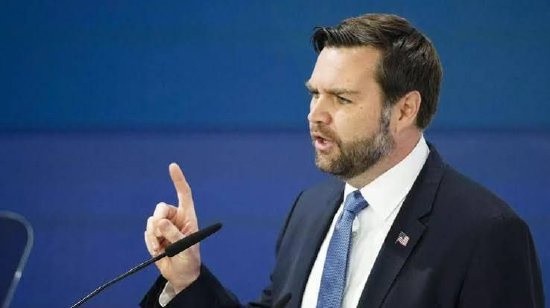 U.S. Vice President Vance: The primary goal in the war against Iran is to ensure low oil prices for Americans
U.S. Vice President JD Vance stated in an interview that the primary goal in the war with Iran is to keep oil and gasoline prices low for Americans.
Vance mentioned that the U.S. "has many means" to compel Iran to take action
