


AI Trading Rebounds, Korean Stocks Return to Technical Bull Market, Samsung Electronics and SK Hynix Both Rise Over 4%
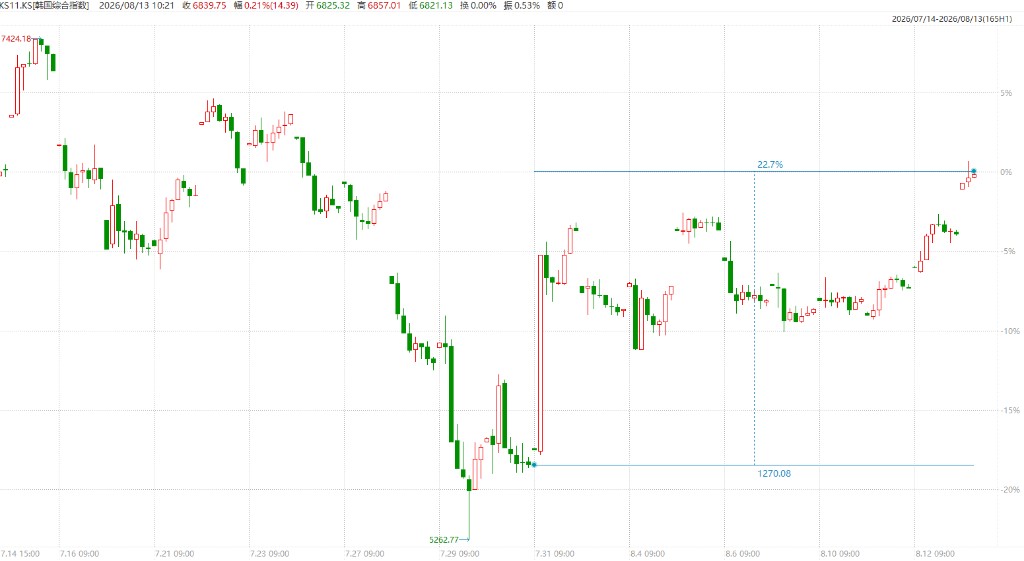
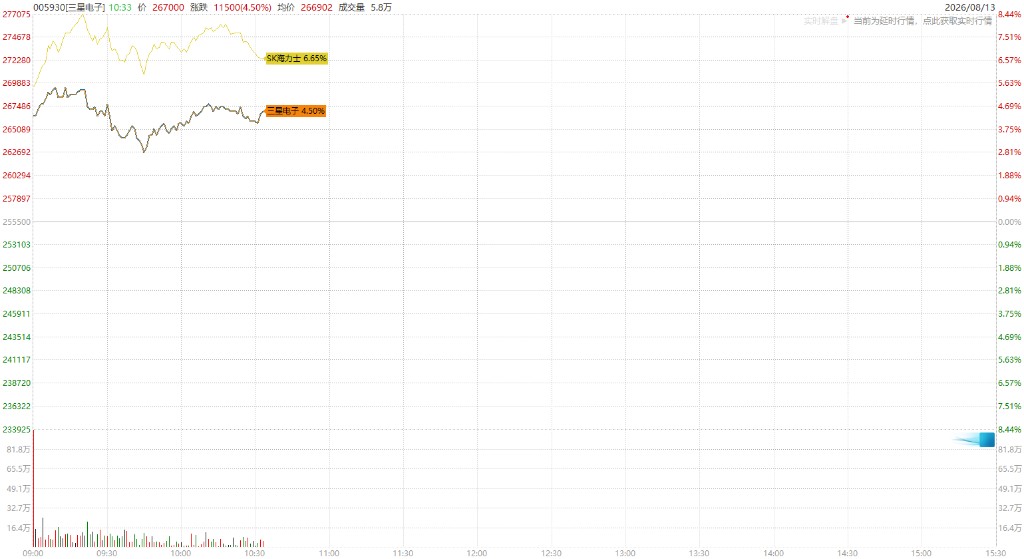
During Thursday's Asia-Pacific session, the MSCI Asia Pacific Index rose about 1%, the Nikkei 225 Index gained 1.2%, and European Stoxx 50 futures edged up 0.3%. The Korea Composite Stock Price Index led gains, rising more than 4.8% at one point during the session. It has rebounded approximately 22% from its July 30 low, officially entering a technical bull market zone. Samsung Electronics and SK Hynix both rose over 4%. Lower-than-expected inflation dampened rate hike expectations, providing support for a gold price rebound, with gold rising 0.5% at one point
The rebound in AI trading drove a significant rally in memory chip stocks, lifting Asian-Pacific equity markets across the board, with Korean stocks leading the gain.
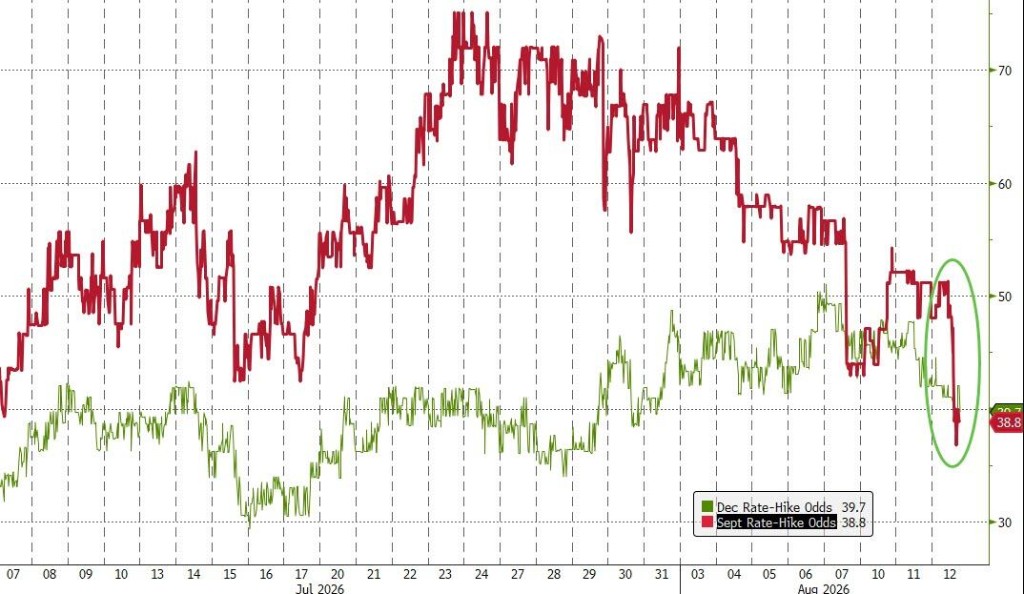
Additionally, data released by the U.S. Department of Labor on Wednesday showed that the core inflation rate in July fell to its lowest level since March 2021. Money markets indicate that the probability of a rate hike in September has dropped below 50%, supporting market risk appetite.
During Thursday's Asia-Pacific session, the MSCI Asia Pacific Index rose about 1% overall, the Nikkei 225 Index gained 1.2%, and European Stoxx 50 futures edged up 0.3%.
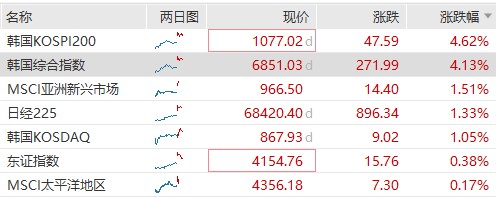
The Korea Composite Stock Price Index led gains, rising more than 4.8% at one point during the session. It has rebounded approximately 22% from its July 30 low, officially entering a technical bull market zone. Samsung Electronics and SK Hynix both rose over 4%, with the two chip giants jointly driving this round of gains.
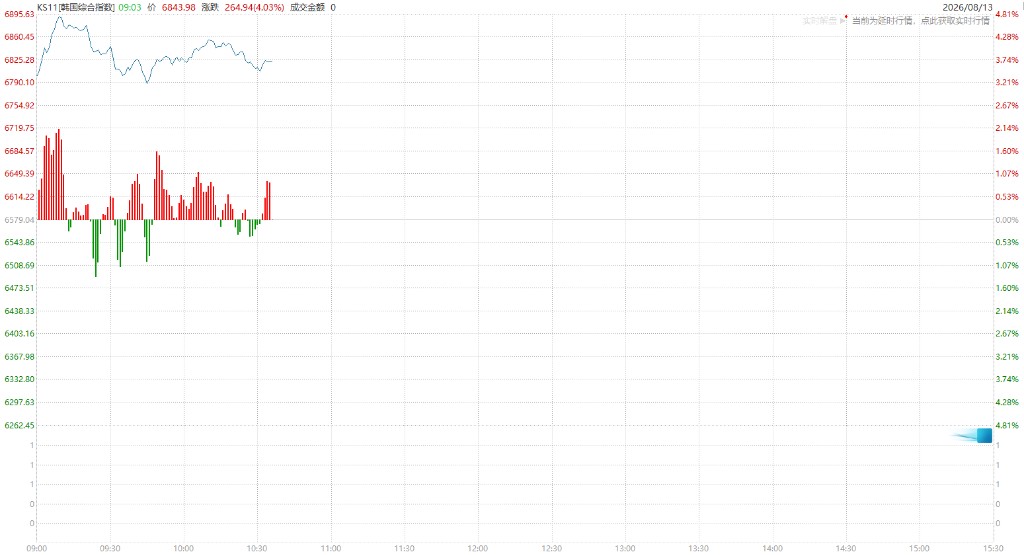
Korean Stocks Enter Bull Market as AI Trading Fully Rebounds
The strong rebound in the Korean stock market. The Korea Composite Index has recovered strongly from the historic sell-off in late July, rebounding more than 22% in just about ten trading days and officially crossing the threshold into a technical bull market.
Samsung Electronics and SK Hynix were the main drivers of the rise. The latest earnings reports from global tech giants show that AI capital expenditure remains at high levels, boosting market confidence in the outlook for memory chip demand.
Qian Zhang, Emerging Markets Equity Investment Expert at Baillie Gifford, stated:
Due to the rise of AI agents and physical AI, memory demand has surged significantly, but supply capacity was quite limited as we entered this phase—this is precisely the bottleneck, and only a few companies globally can solve this problem.
Mark Newton, Head of Technical Strategy at Fundstrat Global Advisors, pointed out that the iShares MSCI South Korea ETF has broken through key technical levels, confirming a reversal pattern. Mark Newton stated:
From a technical perspective, further upside in the near term looks attractive.
Newton also noted that memory stocks are beginning to outperform the broader technology sector, which is a "positive signal that the memory sector will lead the tech industry in the short term," and that the Korean market and memory stocks are currently "suitable vehicles for recent risk appetite exposure."
However, market participants remain divided on the sustainability of the rally. Kang DaeKwun, CEO of Life Asset Management, believes:
The market overshot during the deleveraging process, and the current rebound is a natural repair after capital flows stabilized.
He warned that maintaining sustained gains would be difficult before the AI narrative and the trajectory of U.S. interest rates become clearer.
Other Market Dynamics
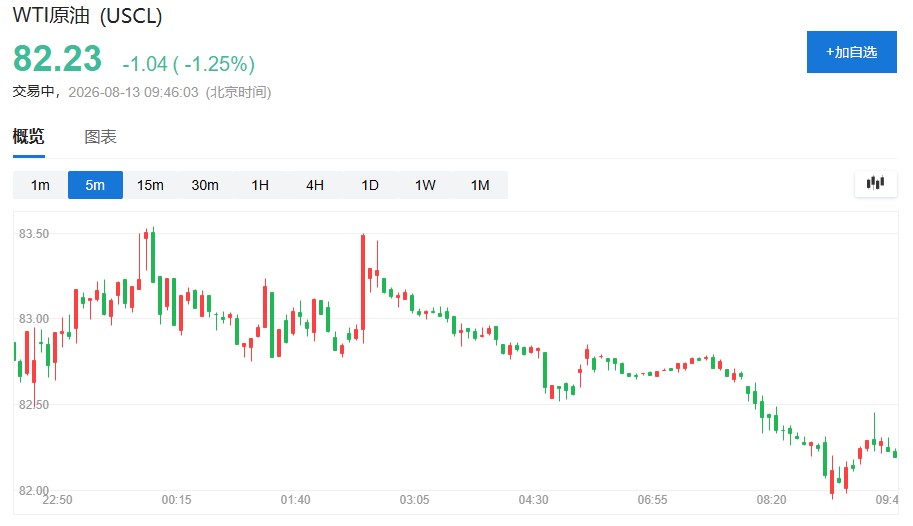
In commodities, Brent crude fell 1% to $88.06 per barrel, ending a six-day winning streak; WTI crude dropped more than 1% to $82.23 per barrel.
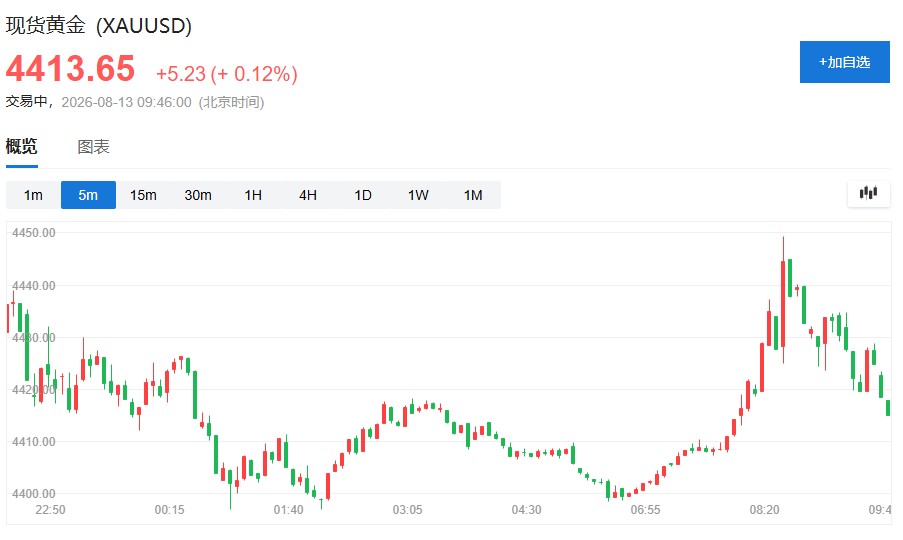
During Thursday's Asia-Pacific session, spot gold rose 0.5% at one point, before paring gains to 0.12%, remaining steady above $4,400.
Data released by the U.S. Department of Labor on Wednesday showed that the U.S. CPI rose 0.2% month-on-month in July, in line with economists' expectations, while the core inflation rate fell to its lowest level since March 2021. This data further reduced market bets on a Federal Reserve rate hike in September, providing support for the gold price rebound.
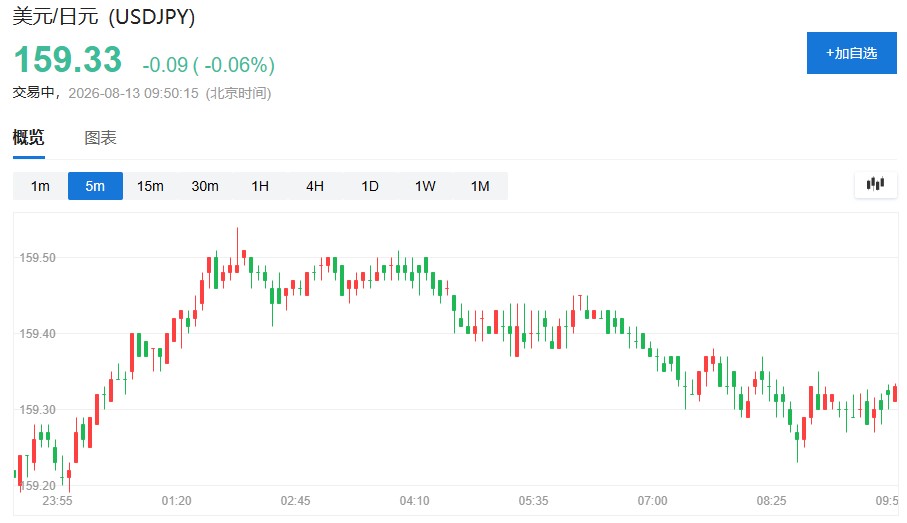
The USD/JPY exchange rate again approached the 160 level, with continued market caution regarding potential renewed intervention by Japanese authorities.
Nathan Thooft of Manulife Investment Management stated:
Japanese authorities have demonstrated their willingness to act, including coordinated intervention with the U.S. Treasury. Exchange rate levels approaching or breaking through recent intervention ranges will continue to keep traders cautious. We are indeed still in a state of watching for intervention.
