


US Initiates Rulemaking Process for New Door Safety Regulations, Targeting Tesla's Electric Door Design
The National Highway Traffic Safety Administration (NHTSA) stated on Thursday that it would begin advancing the development of new federal regulations requiring all motor vehicles to be equipped with "reliable and obvious door egress systems." The new rules target automakers like Tesla that use electric hidden door handles, following numerous safety incidents where individuals were unable to open Tesla doors that had lost power
US automotive safety regulators have officially launched the rulemaking process for federal regulations on door egress systems, a move that will have profound implications for automakers like Tesla that employ electric hidden door handles.
The National Highway Traffic Safety Administration (NHTSA) announced on Thursday that it had approved a petition, initiating the development of new federal regulations that require all motor vehicles to be equipped with "reliable and obvious door egress systems."
Once the regulations are finalized, all new cars sold in the US will need to comply with these requirements.
This decision follows a series of fatal accidents linked to Tesla's electric door design.
As previously reported by Bloomberg, in at least twelve collision incidents, a total of at least 15 people died or suffered serious injuries in subsequent fires because they were unable to open Tesla doors that had lost power. Regulatory pressure regarding door safety issues has consequently continued to intensify.
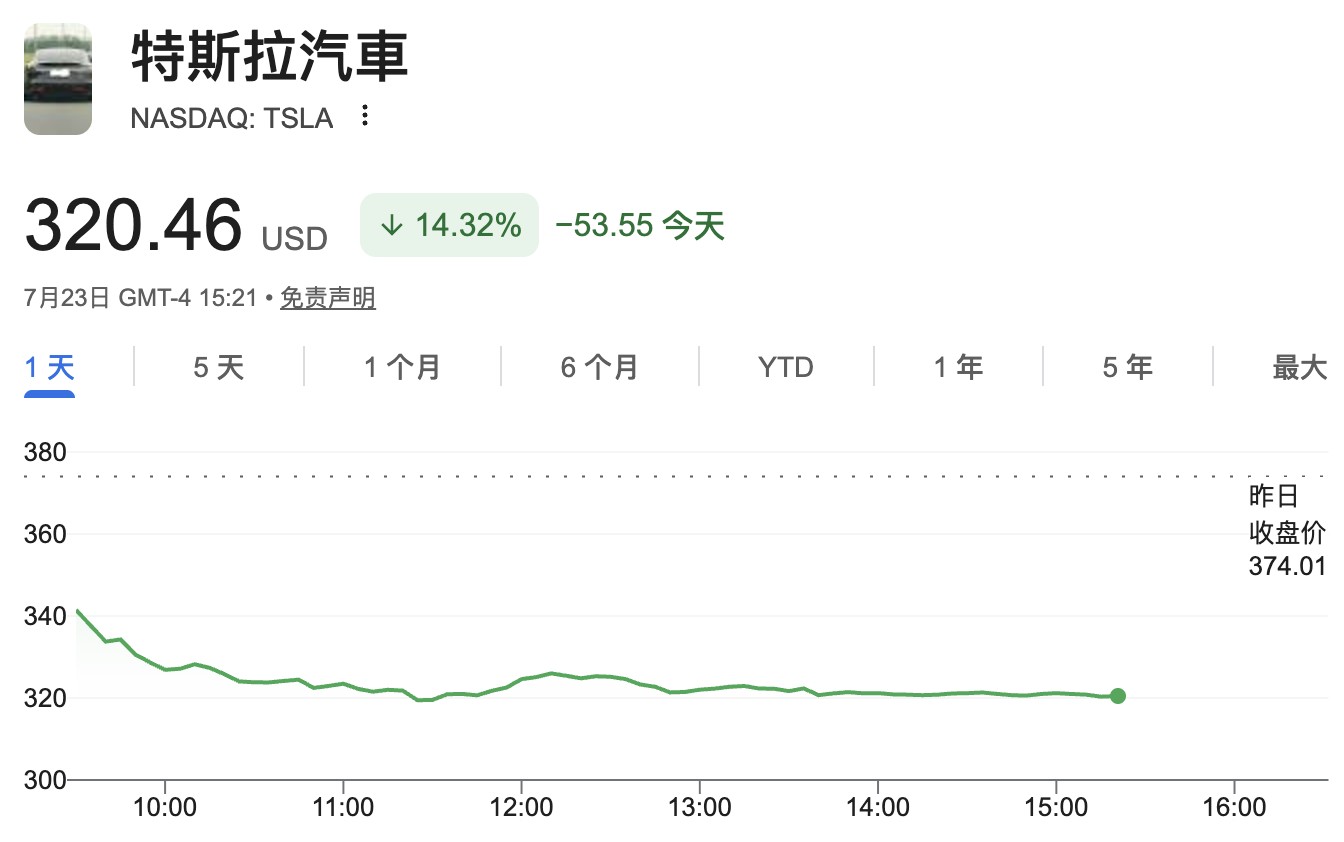
As of press time, Tesla shares fell 14.32% during Thursday's trading session.
Regulatory Background: Electric Door Design Raises Fatal Safety Concerns
The hidden electric door handle design adopted by Tesla and some other automakers can fail to open properly when the vehicle loses power.
According to previous Bloomberg reports, in several high-speed collision accidents, occupants survived the initial impact but died or were seriously injured in subsequent fires because they could not open the doors to escape.
Late last year, Tesla CEO Elon Musk persisted in pushing forward with the electric door design, despite safety concerns raised internally within the company.
In November this year, a Silicon Valley engineer submitted a petition to the NHTSA, requesting the agency to establish new federal safety standards to address the safety risks posed by electronic or "hidden" door locking and release systems.
The petition pointed out that such systems are widespread in electric vehicles, creating "critical safety vulnerabilities that endanger lives."
Regulatory Agency: Rulemaking Process Launched, but Final Regulations Still Years Away
In its regulatory filing on Thursday, the NHTSA stated that it had approved the aforementioned petition and would initiate the rulemaking process. At the same time, the agency rejected another independent petition calling for an investigation into safety defects.
Michael Brooks, Executive Director of the Center for Auto Safety, stated that the NHTSA's initiation of the rulemaking process is "significant because it is the necessary first step to revise or create new Federal Motor Vehicle Safety Standards, strengthening regulations related to electric doors and egress."
However, he also noted that given the lengthy cycle of the rulemaking process, "even if proceedings go smoothly, the final compliance deadline for manufacturers is not expected to be earlier than 2030."
The agency stated that it would decide whether to formally issue new requirements based on information developed during the rulemaking process. Industry players typically protest safety regulations that add costs, which means the entire process may face significant resistance.
Legislative Level: Congress Members Simultaneously Advancing Related Bills
As regulators launch their process, action is also being taken at the congressional level.
US Representative Robin Kelly, a Democrat from Illinois, introduced legislation earlier this year requiring new cars to be equipped with manual door release mechanisms and providing emergency responders with access to vehicles when power is lost.
Additionally, in September this year, the NHTSA opened a defect investigation into specific models of the Tesla Model Y following multiple complaints about children being trapped inside vehicles.
These multifaceted regulatory and legislative pressures are accelerating the placement of electric door safety issues onto the agenda of the entire automotive industry.
