


Escalating Iran Conflict Intensifies Risk Aversion, Foreign Sell-off of Japanese Stocks Hits 18-Month High!
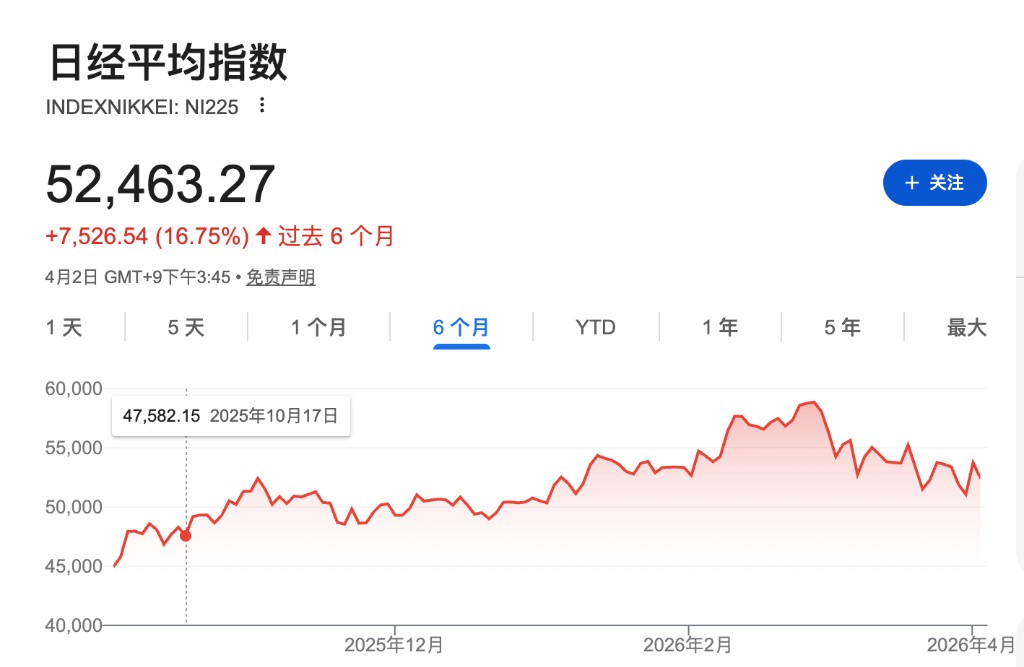
In the week ending March 27, foreign investors net sold approximately 1.51 trillion yen ($9.5 billion) in Japanese cash stocks, marking a new 18-month high for weekly sell-offs. Both the Nikkei and TOPIX indices plunged by more than 11% in March, recording their worst monthly performance since 2008. Energy dependence, coupled with economic fragility, has triggered a sharp reversal for Japanese stocks, which had previously led global market gains
Foreign capital is accelerating its exit from the Japanese stock market as the impact of the Iran conflict on Asia's second-largest economy becomes increasingly visible. Both the Nikkei 225 and TOPIX indices fell by more than 11% in March, marking their worst monthly performance since 2008 and bringing their previous world-leading momentum to a grinding halt.
According to data from the Japan Exchange Group, for the week ending March 27, overseas investors net sold approximately 1.51 trillion yen ($9.5 billion) in Japanese cash stocks, marking the third consecutive week of net selling and the highest weekly net sell volume since September 2024.
Japan relies on the Middle East for over 90% of its oil imports, leaving the economy highly exposed to oil price shocks. On Thursday, Trump stated that extremely severe strikes would be launched against Iran within the next two to three weeks; oil prices climbed, and the Nikkei index responded by dropping 2.4%.
From Leading the World to Falling from Grace
The rapid reversal in the Japanese stock market caught market participants off guard. From January to February this year, driven by optimistic expectations for Sanae Takaichi's fiscal stimulus plan, the Japanese stock market staged a powerful rally that led global markets, with the Nikkei significantly outperforming the S&P 500 and other major indices.
However, since the outbreak of the Iran conflict, the Nikkei has lagged behind the U.S. benchmark index by approximately 6 percentage points, with its previous excess returns being rapidly eroded.
In a report, stock analyst Pelham Smithers noted, "From the perspective of the Japanese stock market, the timing of the outbreak of the Iran war could not be worse." He stated that before the rise in oil prices, Japan was already mired in a "cost of living crisis," and the combination of "a rising stock market and a flattening economy" has caused stock assets to accumulate significant downward vulnerability.
Energy Dependence Becomes a Fatal Weakness
Structural energy dependence is the core of Japan's current pressure. With over 90% of its oil imports coming from the Middle East, any escalation in the Strait of Hormuz will directly drive up import costs and suppress corporate profit expectations.
Brent crude prices have fluctuated violently alongside Middle Eastern tensions, transmitting to the Japanese economy through multiple channels including energy costs, earnings expectations, and consumer confidence. Against this backdrop, foreign investors' risk appetite for Japanese stocks has cooled significantly, and the macroeconomic narrative that previously supported buying is being re-evaluated.
