The IEA's release plan failed to suppress oil prices, and the Asia-Pacific stock market fell broadly, with Dow futures down 0.9% and oil prices rising over 6%

Affected by the escalation of conflicts in the Middle East and soaring oil prices, the Asia-Pacific stock markets generally fell on Thursday. Despite the IEA announcing the release of a record 400 million barrels of crude oil reserves, concerns over supply disruptions, such as the shutdown of Iraqi oil ports, still pushed oil prices higher, with WTI crude rising by 6%. The increase in energy costs has raised market concerns about a rebound in inflation, and traders expect the Federal Reserve to cut interest rates only once this year. The Nikkei 225 index fell by 1.6%, and S&P 500 futures dropped by 0.8%, with market risk aversion intensifying
Affected by the ongoing escalation of conflicts in the Middle East and significant fluctuations in oil prices, the Asia-Pacific stock markets generally fell on Thursday. Despite the International Energy Agency (IEA) announcing the release of the largest-ever oil reserves, it failed to effectively alleviate market concerns about energy supply disruptions, rising oil prices, and a rebound in inflation.
U.S. stock index futures and Asian markets declined in early trading on Thursday, continuing the volatile trend of the week. S&P 500 futures fell by 0.8%, and the benchmark index for Asian markets dropped by as much as 1.1% in early trading. Meanwhile, U.S. Treasury yields rose, and oil prices increased for the second consecutive day.
The ongoing conflict in the Middle East has become the focus of market attention. Reports indicate that Iraq's oil ports have completely ceased operations due to attacks on two oil tankers. The attacks on energy infrastructure have heightened market concerns about a prolonged conflict, overshadowing the positive effects of developed countries releasing oil reserves.
The rise in inflation expectations further dampened market sentiment. Although data released on Wednesday showed that U.S. inflation in February slowed compared to the previous month, investors are worried that rising energy costs will complicate the Federal Reserve's path to interest rate cuts. Traders currently expect the Federal Reserve to cut rates only once this year.
Ellen Zentner of Morgan Stanley Wealth Management stated, "Despite the prospect of releasing oil reserves, the ongoing uncertainty translates into persistent upward risks for oil prices, which also means the Federal Reserve will remain cautious regarding rate cuts."
The performance of major assets is as follows:
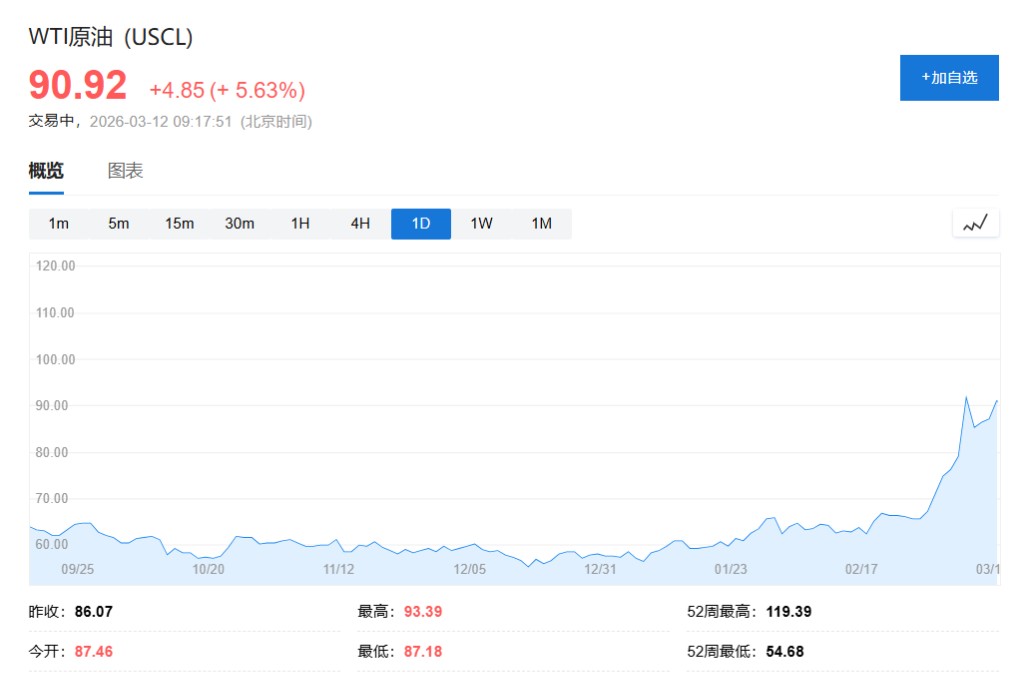
- Significant rise in oil prices: WTI crude oil rose about 6% to $90.92 per barrel. Brent crude oil increased by over 6%, trading at $97 per barrel.
- General decline in Asia-Pacific stock markets: Japan's Nikkei 225 index fell by as much as 1.6%, and the Topix index dropped by 1.34%. South Korea's Kospi index decreased by 0.75%, and Australia's S&P/ASX 200 index fell by 1.56%.
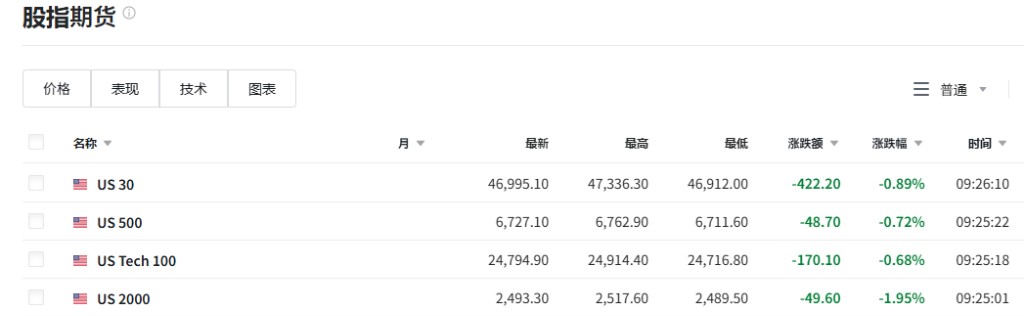
- Decline in U.S. stock index futures: Dow futures fell by 0.9%, and S&P 500 futures dropped by 0.8%.
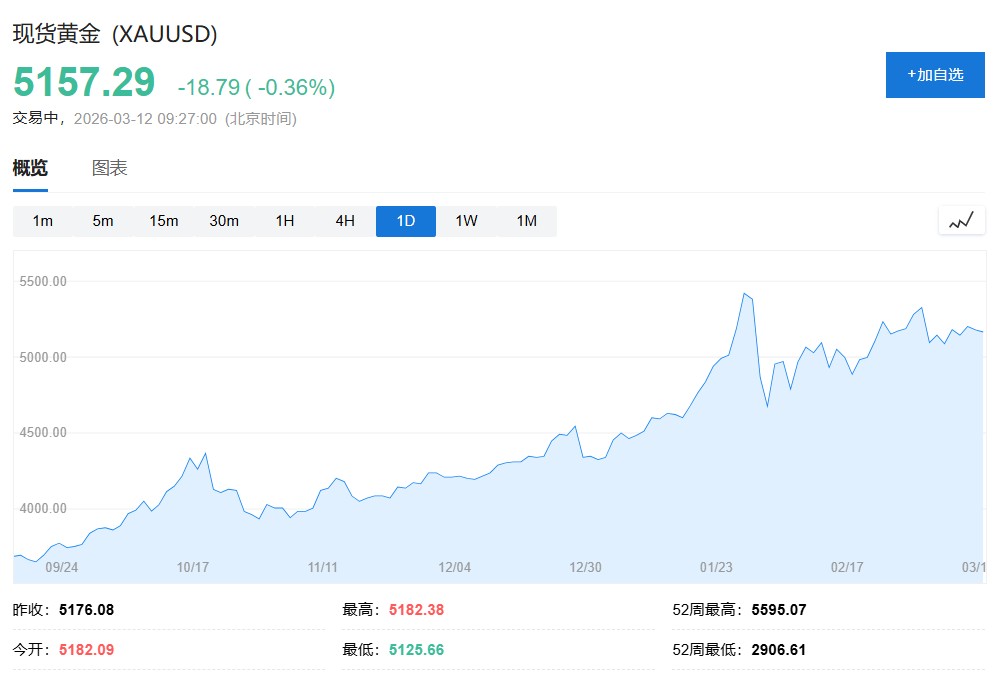
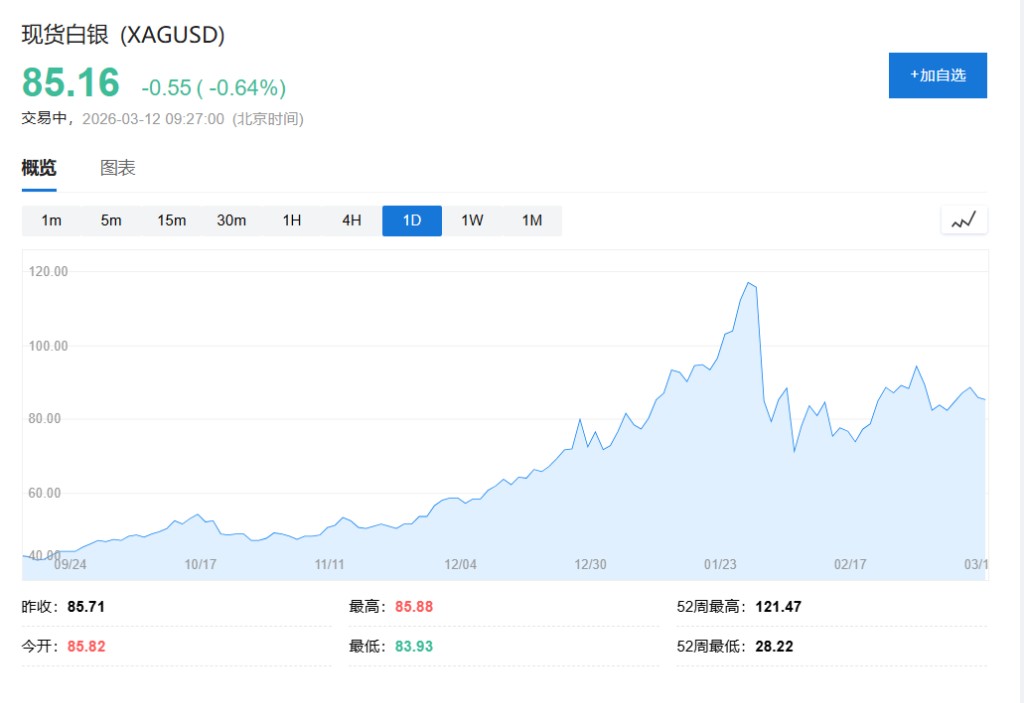
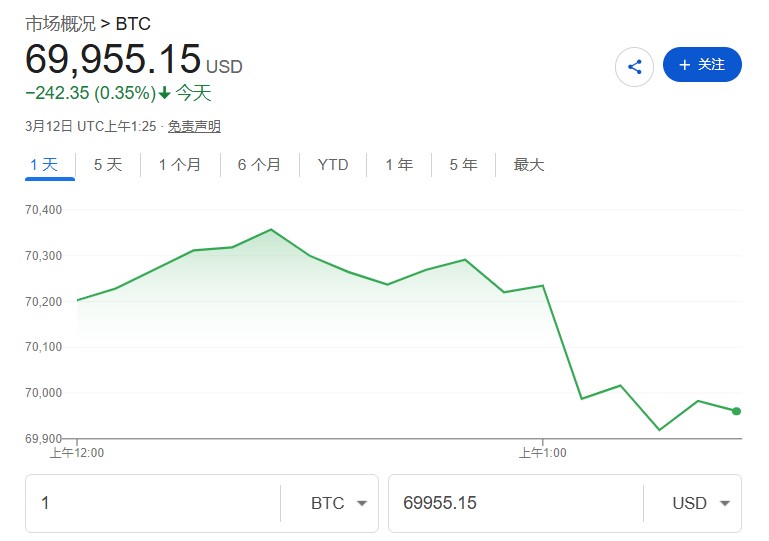
- Spot gold, spot silver, and Bitcoin saw slight declines.
Intensifying Turmoil in the Energy Market
The energy market remains the biggest focus for investors, with fluctuations in oil and gas prices continuing to impact inflation expectations. Currently, West Texas Intermediate (WTI) crude oil has risen about 6% to $90.92 per barrel. Brent crude oil has increased by over 6%, trading at $97 per barrel.
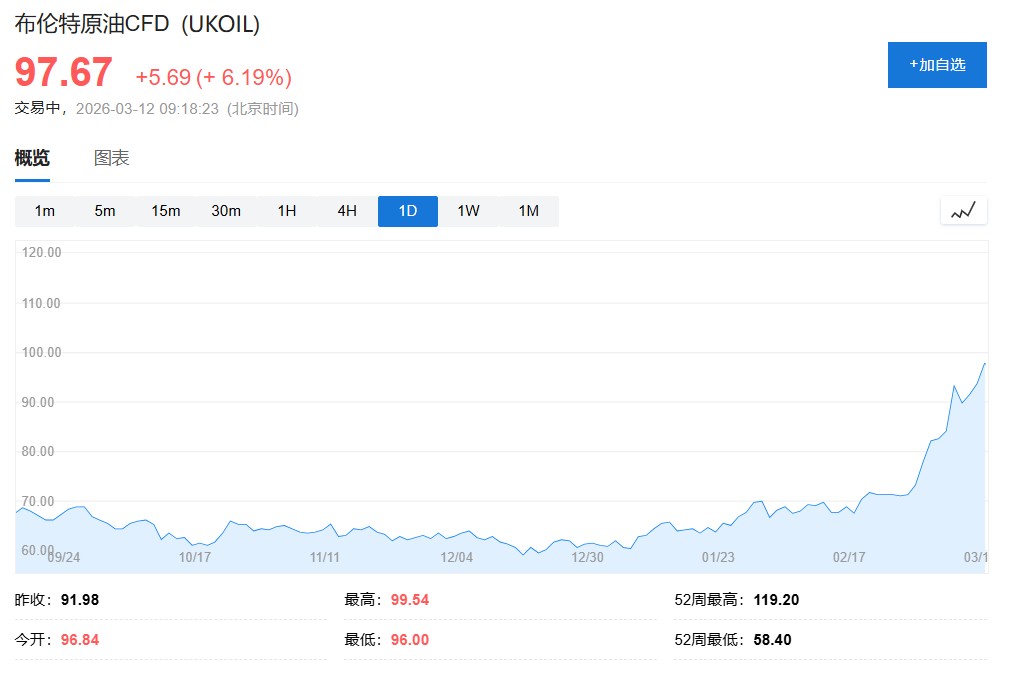
To stabilize energy prices, the International Energy Agency (IEA) agreed to release 400 million barrels of oil, marking the largest release in the organization's history. U.S. Energy Secretary Chris Wright stated on Wednesday evening that the U.S. will release 172 million barrels of oil from its Strategic Petroleum Reserve U.S. President Trump earlier stated that he would use the Strategic Petroleum Reserve to control energy prices. He also mentioned that a large-scale release of emergency oil reserves would alleviate pressure on energy prices while the U.S. seeks to "get the job done" in its actions against Iran.
Ellen Zentner from Morgan Stanley Wealth Management stated, "Despite the prospect of releasing oil reserves, ongoing uncertainty translates into persistent upward risks for oil prices, which also means the Federal Reserve will remain cautious about interest rate cuts."
Asia-Pacific Stock Markets Generally Decline
Against the backdrop of soaring oil prices and geopolitical tensions, Asia-Pacific stock markets generally declined on Thursday. Japan's Nikkei 225 index fell by as much as 1.6%, and the Topix index dropped by as much as 1.34%. South Korea's Kospi index decreased by as much as 0.75%, while Australia's S&P/ASX 200 index fell by 1.56%.
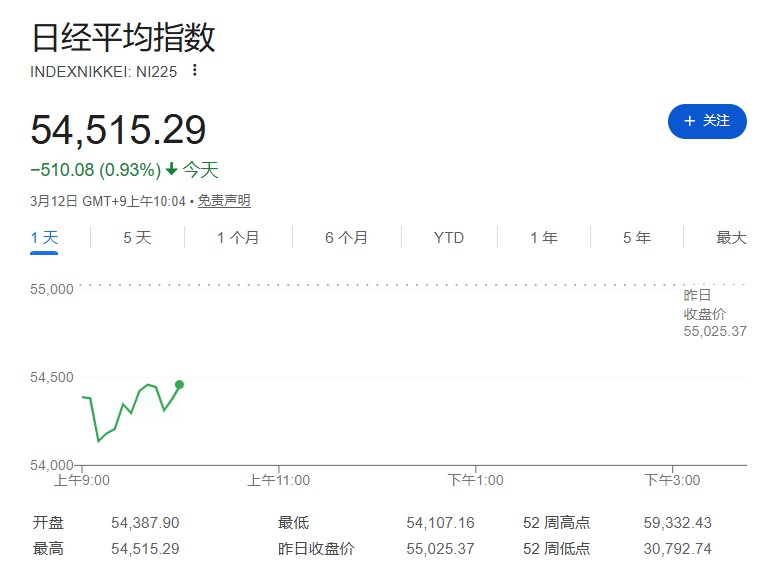
In the foreign exchange market, the yen to dollar exchange rate hit its lowest level since January. According to a Bloomberg survey, more than one-third of economists expect the Bank of Japan to raise its benchmark interest rate in April after maintaining its policy setting unchanged next week.
U.S. Stock Index Futures Decline
On Wednesday, U.S. stock markets closed with little change, with the Dow Jones Industrial Average down 0.61%, the S&P 500 index slightly down 0.08%, and the Nasdaq Composite index slightly up 0.08%.
Currently, U.S. stock index futures are broadly down. Dow futures are down about 0.9%.
Brian Jacobsen from Annex Wealth Management stated, "Inflation data for February is moving in the right direction, but then conflict erupted in the Middle East, and now the path is changing."
Seema Shah from Principal Asset Management pointed out that while investors are more focused on how the Middle East conflict will affect inflation in the coming months, the latest data provides some assurance that price pressures were not moving in the wrong direction before the recent energy shock.
She added, "The Federal Reserve has historically looked through energy-driven price spikes. However, since inflation has been above target for nearly five years, it may be more difficult to do so this time."
In other assets, spot gold, spot silver, and Bitcoin saw slight declines.