


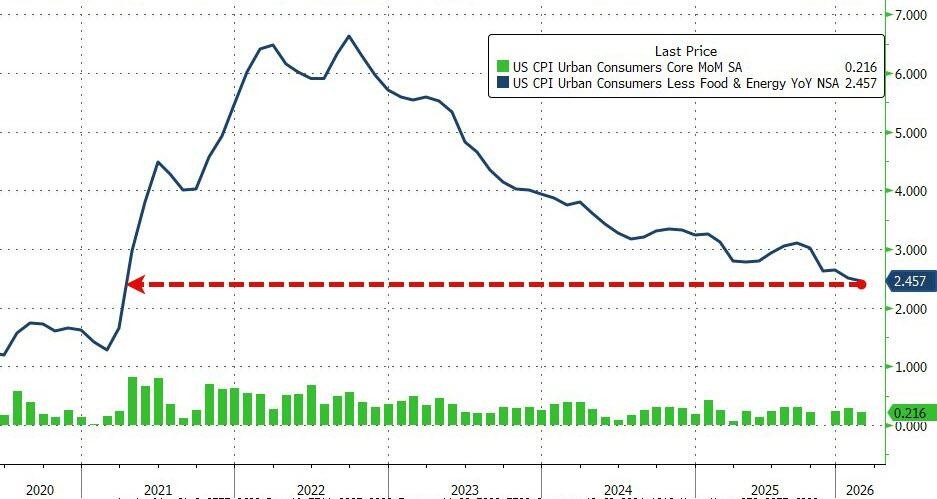
Fully in line with expectations! The U.S. February CPI rose 2.4% year-on-year, and the core CPI rose 2.5% year-on-year, unchanged from the previous value

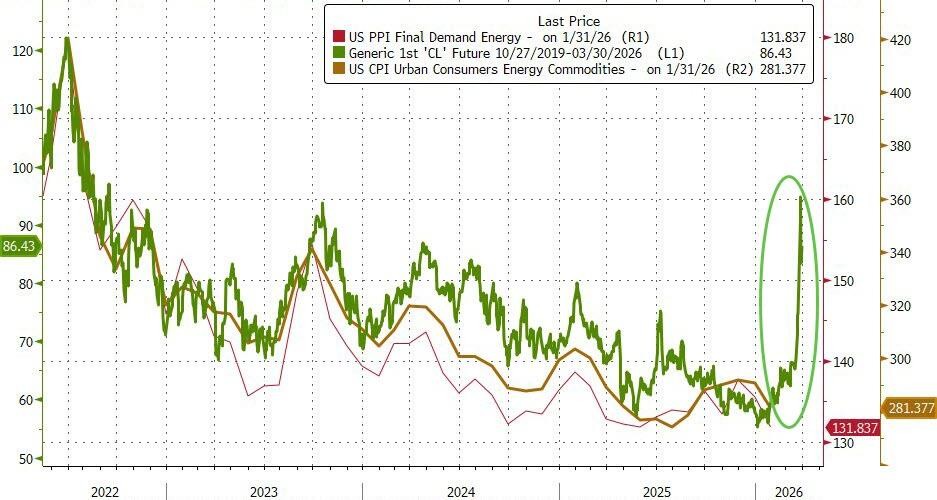
Core inflation in the U.S. slowed as expected in February; however, the conflict in the Middle East has led to rising oil prices, gasoline, and fertilizer costs. Citigroup believes that the upward pressure on inflation from energy prices is almost certain to be reflected in the March data. The market generally expects the Federal Reserve to maintain interest rates at next week's meeting
U.S. core inflation in February slowed as expected, showing some relief in price pressures before the escalation of the situation in the Middle East.
Data released by the U.S. Bureau of Labor Statistics on Wednesday showed that the Consumer Price Index (CPI) rose 2.4% year-on-year in February, in line with expectations and the previous value; month-on-month, it increased by 0.3%, matching expectations and slightly higher than the previous value of 0.2%.

The year-on-year growth rate of core CPI in February remained at 2.5%, the slowest level in nearly five years, while the month-on-month growth rate slowed from 0.3% to 0.2%, both in line with expectations.
After the data was released, U.S. Treasury yields remained stable, the U.S. dollar index fluctuated little, and U.S. stock index futures rose slightly.
Following a period of stubborn inflation pressures last year, the overall trend of U.S. price increases has recently shown signs of slowing. However, recent conflicts in the Middle East have led to rising costs for oil, gasoline, and fertilizers, which could exacerbate the cost of living pressures for U.S. residents, especially with the midterm elections approaching this year.
Wallstreetcn previously mentioned that Citigroup believes that the upward pressure on inflation from rising energy prices is almost certain to be reflected in the March data.
A Citigroup report indicated that as of March 8, the average retail gasoline price in the U.S. had increased by about 17% compared to the end of February. Based on this, Citigroup has set the average monthly increase in gasoline prices for March at about 15%, which is expected to lead to a month-on-month increase of about 7% in the overall CPI energy component. The lagging effects of airfare and core goods will reflect the second wave of oil price impacts on inflation in the second quarter. Citigroup expects airfare to rise by about 10% to 15% year-on-year by mid-year, and core goods prices will also face upward risks in the second quarter.
On the policy front, the market generally expects the Federal Reserve to maintain interest rates at their current level in next week's meeting. This judgment was primarily based on the gradual decline in inflation, but with the potential for war to push inflation higher in the short term, some investors are beginning to believe that the Federal Reserve may need to maintain high interest rates for a longer period. On the other hand, policymakers still need to weigh the existing vulnerabilities in the labor market
