


Impact Path of the Iran Situation: Rising Inflation → Liquidity Crisis → Supply Chain Restructuring?

CITIC Construction Investment believes that the situation in Iran severely affects the passage through the Strait of Hormuz, which in turn triggers a rise in oil prices, leading to increased inflation and impacting the Federal Reserve's monetary policy, resulting in global liquidity tightening. At the same time, due to Japan's heavy reliance on oil imports through the Strait of Hormuz, imported inflation may force the Bank of Japan to raise interest rates quickly, and the narrowing of the interest rate differential between Japan and the U.S. will trigger the unwinding of yen carry trades. Prices for oil transportation, electrolytic aluminum, and chemical products will soar, putting pressure on energy-dependent industries
The situation in Iran is pulling the core variable of the global market back to "oil prices." CITIC Construction Investment believes that once transportation through the Strait of Hormuz is obstructed, the rise in crude oil prices will amplify global liquidity fluctuations through inflation expectations, monetary policy, and carry trades, further driving the reconfiguration of supply chains and industry patterns.
After targets in Iran were attacked, the market initially traded on short-term supply disruptions. On Monday, crude oil spot prices opened nearly 12% higher, and as the conflict escalated, the market raised expectations for more severe transportation interruptions, causing oil prices to fluctuate and rise continuously. As of the time of writing, Brent crude oil was quoted at $82.5.
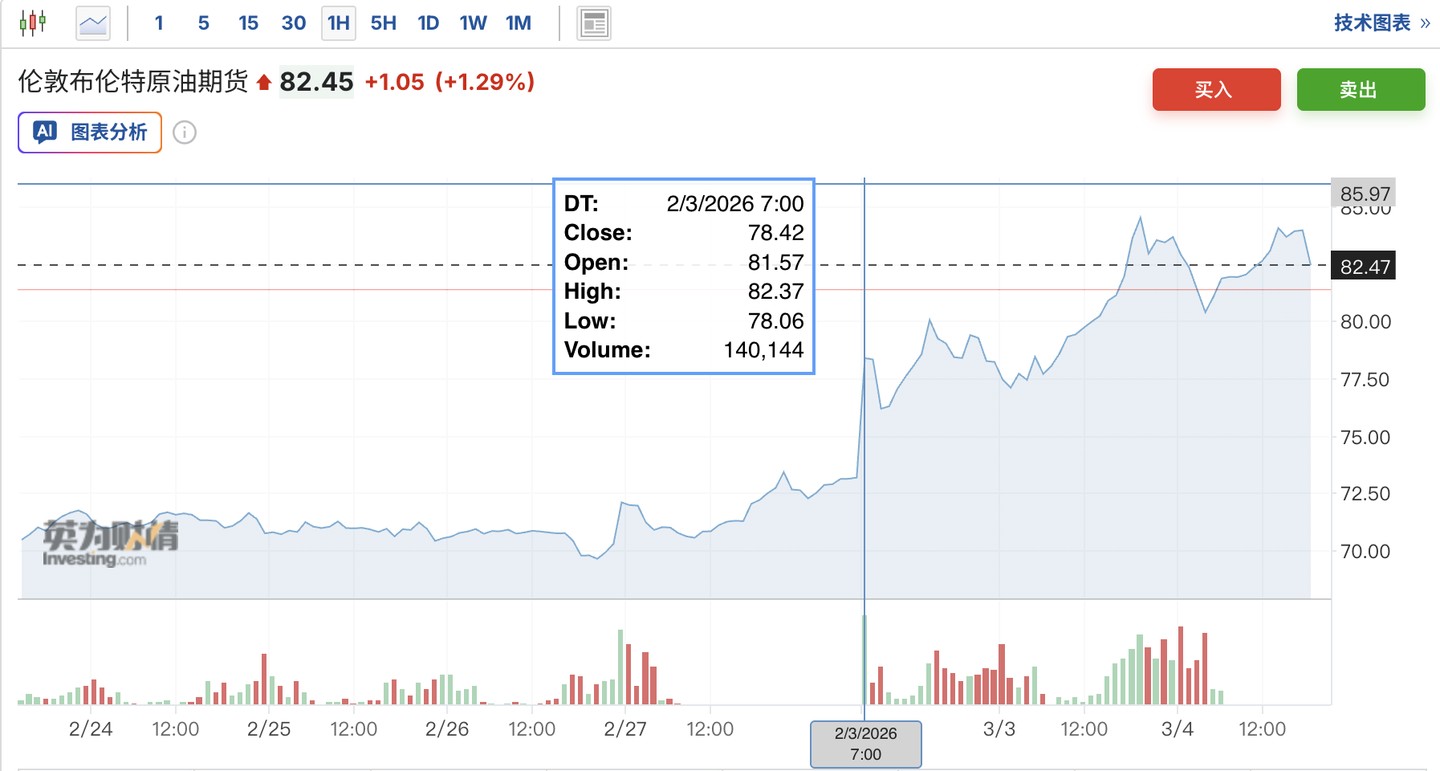
There are substantial signs of tension in shipping. According to CCTV News, after the attack on February 28, several large oil companies and trading giants announced the suspension of their oil and fuel vessels passing through the Strait of Hormuz, with monitoring data showing that the sailing speed of surrounding oil tankers has generally dropped to zero.
CITIC Construction Investment Securities believes that the market has not fully priced in the risk of a closure of the strait, and the true "depth of the shock" depends on the degree and duration of the disruption. A mild obstruction may elevate inflation, while a significant obstruction could trigger tighter monetary policy and a shift in liquidity.
Key Throat: Hormuz, Not Iran's Export Share
Although Iran has approximately 200 billion barrels of proven crude oil reserves, ranking third globally, and the second-largest natural gas reserves, under sanctions and technical constraints, its crude oil exports are expected to account for only 2.6% of the global total in 2024, with natural gas exports around 0.7%. What determines global pricing is not its supply itself, but whether the Strait of Hormuz is passable.
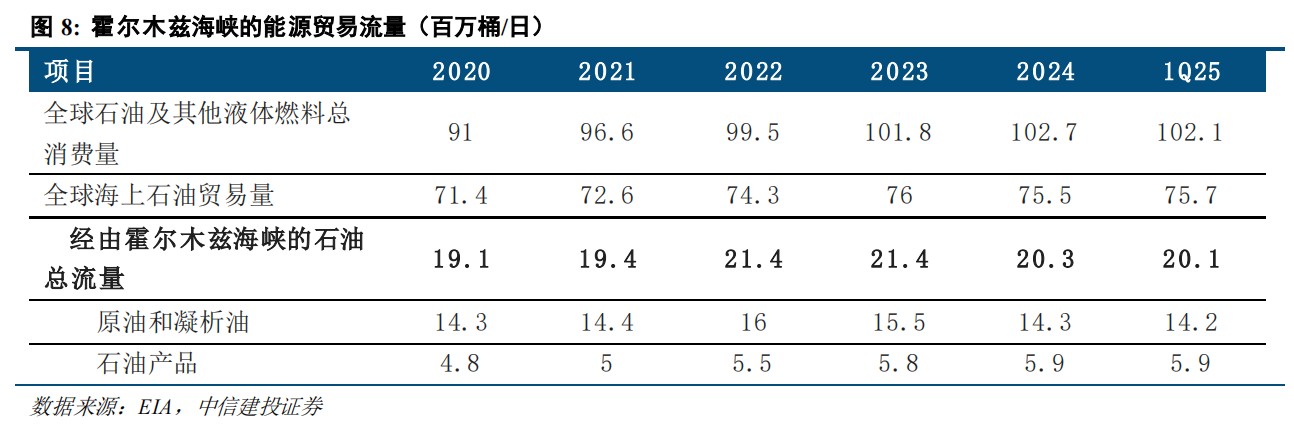
EIA data shows that in 2024, approximately 20.3 million barrels per day of oil and other liquid fuels will be transported through the Strait of Hormuz, accounting for about 20% of global consumption and about 27% of global maritime oil trade. In the same year, about one-fifth of liquefied natural gas trade will also pass through this channel, with 84% of crude oil and condensate flowing to Asia.
Alternative channels are limited. The EIA estimates that even if Saudi Arabia and the UAE operate their bypass pipelines at full capacity, they can only provide about 2.6 million barrels per day, which substitutes for about 15% of the strait's throughput. The degree and duration of the closure will determine the upper limit of the oil price shock and the slope of market pricing.
Four Scenarios: Non-linear Rise in Oil Prices
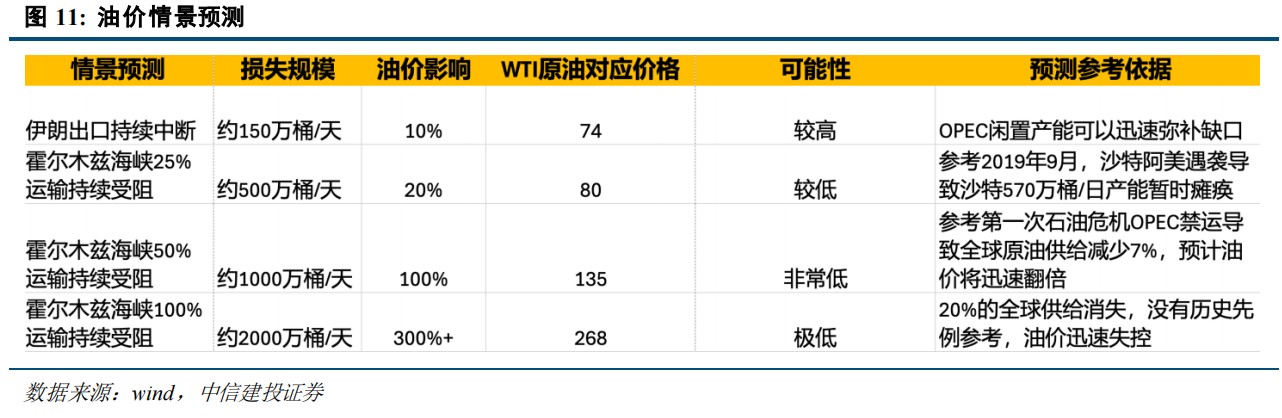
Scenario 1: Only Iran's exports are continuously interrupted, with a supply reduction of about 1.5 million barrels per day, expected to lead to a short-term rise in oil prices of about 10%.
Scenario 2: A 25% decrease in strait transportation, with a gap of about 5 million barrels per day, expected to lead to a rise in oil prices of about 20%, similar to the approximately 20% increase triggered by production cuts in September 2019.
Scenario 3: A 50% decrease in strait transportation, corresponding to a supply reduction of about 10 million barrels per day, expected to lead to a short-term doubling of oil prices. Scenario 4 complete suspension, with a supply cut of about 20 million barrels per day, will make the price increase uncontrollable. Conservatively, oil prices could skyrocket by over 300%, but the probability of this happening is considered low.
Buffer variables come from OPEC's idle capacity and the supply-demand gap. CITIC Construction Investment states that OPEC's idle capacity is close to 4 million barrels per day, and after the attack on Iran, OPEC has indicated it will increase crude oil production, which is also a key basis for the oil price curve still pointing to a "short-term shock."
First Layer Transmission: Rising Oil Prices Drive Inflation, Lag is More Critical
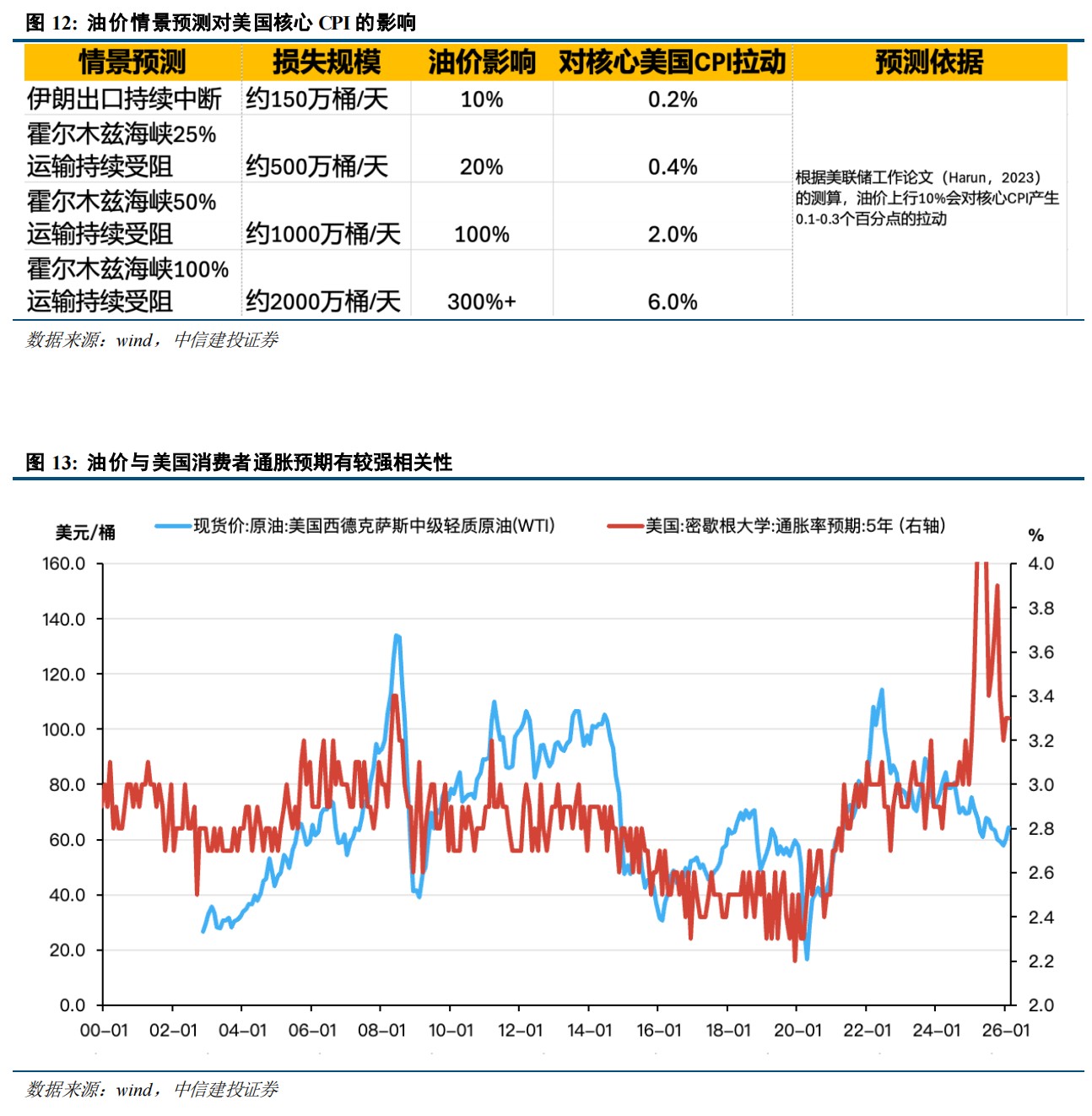
According to a working paper from the Federal Reserve (Harun, 2023), a 10% increase in oil prices has little direct impact on the current core CPI in the U.S., but will ferment over the following 4 to 8 quarters, ultimately raising it by about 0.1 to 0.3 percentage points. CITIC Construction Investment takes the median of 0.2 as the baseline elasticity.
Based on this, in Scenario 1, a 10% increase in oil prices corresponds to an increase of about 0.2 percentage points in the U.S. core CPI during the lag period. In Scenario 2, a 20% increase in oil prices would pull it up by about 0.4 percentage points, which is enough for monetary policy to remain vigilant against re-inflation.
Under the linear extrapolation of Scenario 3 where oil prices double, the U.S. core CPI theoretically rises by about 2.0 percentage points, significantly raising the risk of secondary inflation. If entering Scenario 4, the theoretical pull corresponding to an oil price increase of over 300% could reach about 6.0 percentage points, and inflation expectations may become unanchored.
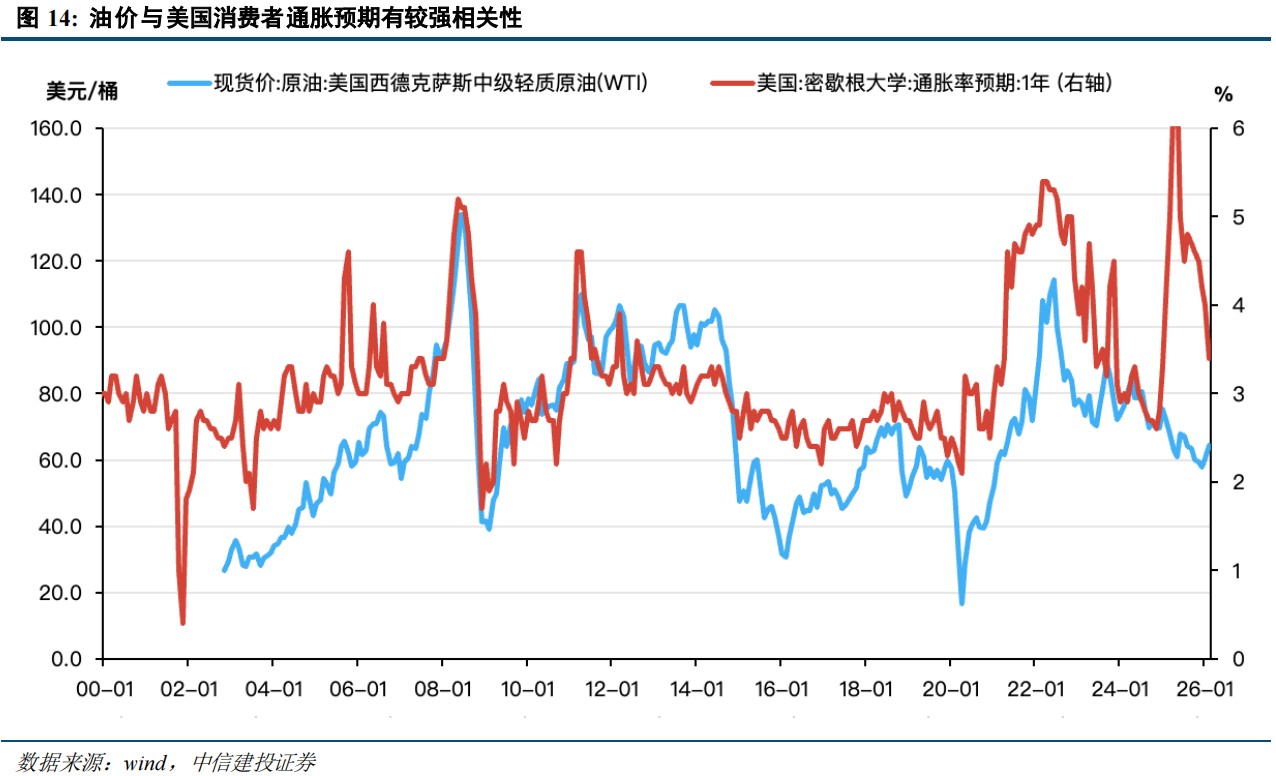
Second Layer Transmission: Reversal of Fed Rate Cut Expectations, Yen Carry Trade Becomes the Trigger Point
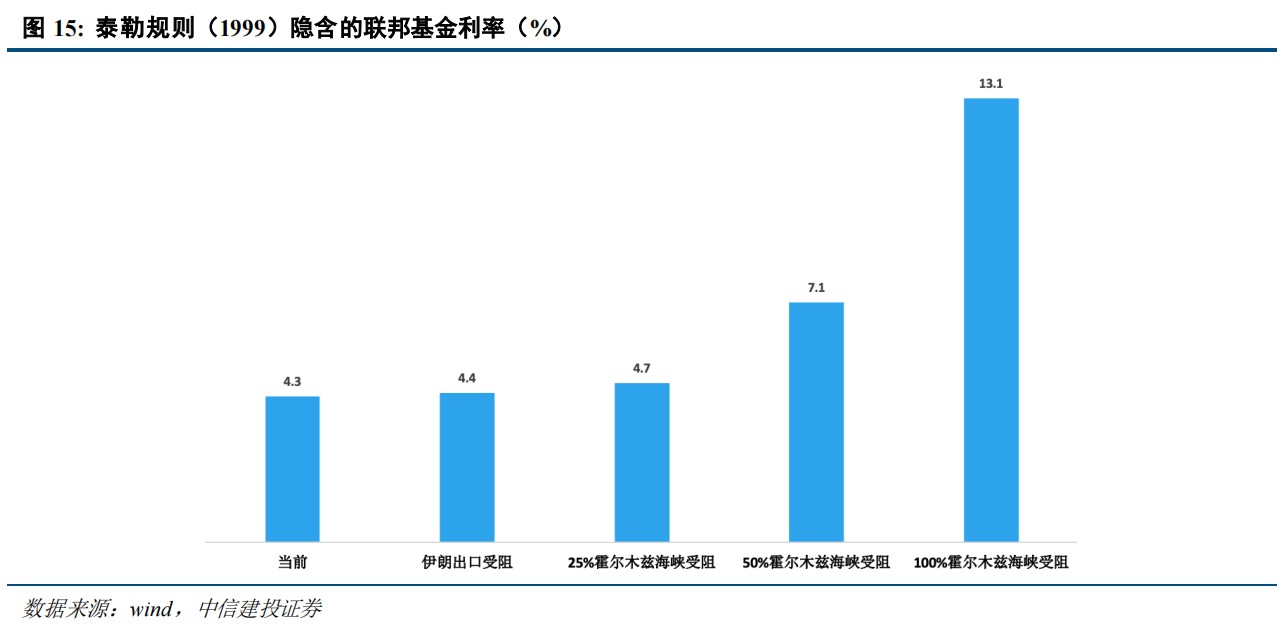
Rising inflation will reshape the Federal Reserve's policy path. Based on the Taylor rule (1999), the implied policy rates in the four scenarios are approximately 4.4%, 4.7%, 7.1%, and 13.1%. This means that rising oil prices may lead to a cooling or even reversal of rate cut expectations.
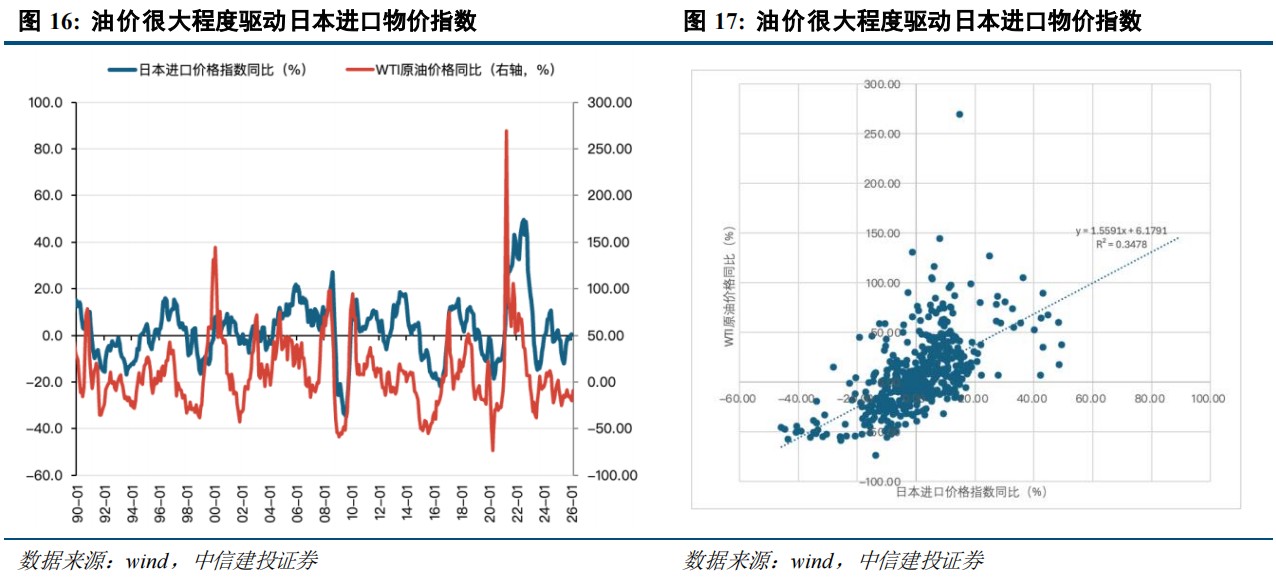
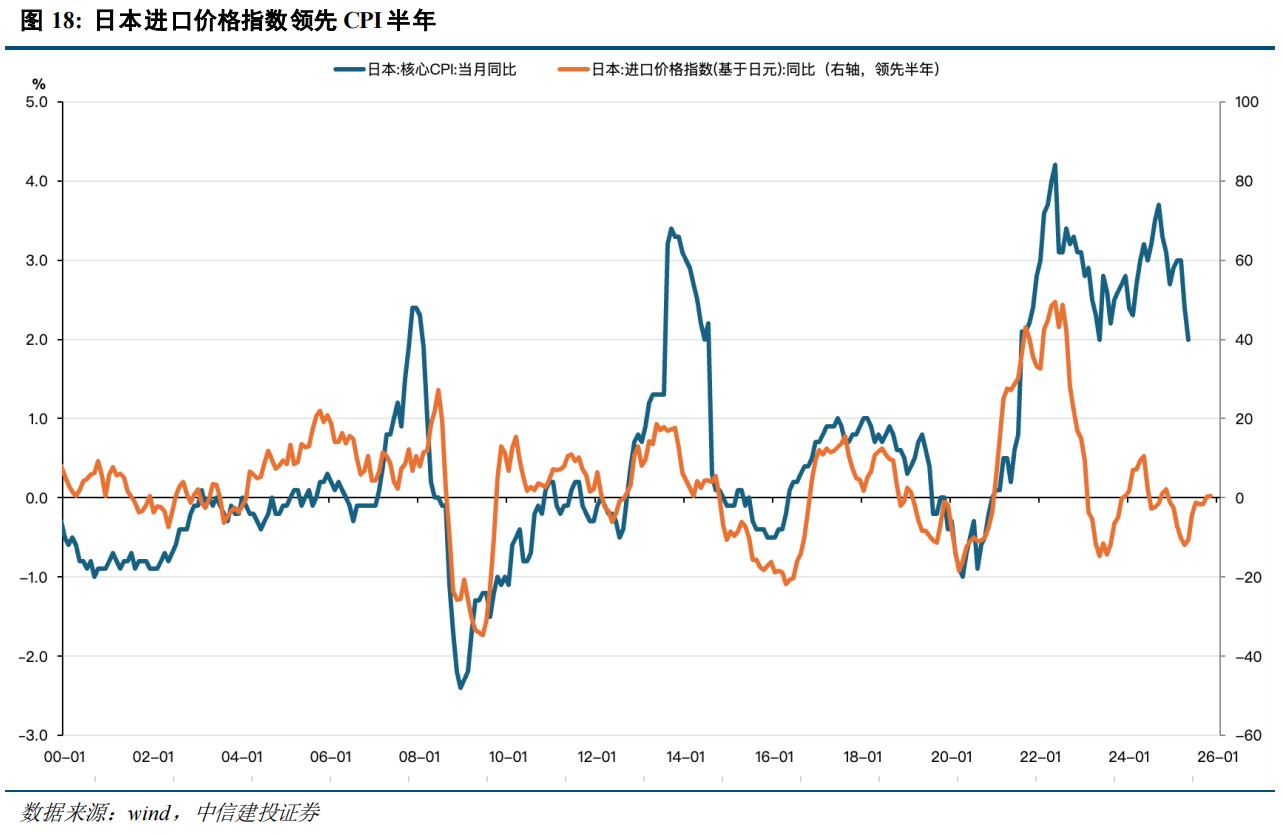
Another risk point is Japan. CITIC Construction Investment states that about 72% of Japan's crude oil imports are highly dependent on the Strait of Hormuz, and oil price fluctuations significantly drive its import prices. Historically, the import price index usually leads the core CPI by about six months, input inflation may force the Bank of Japan to raise interest rates quickly. Once the pace of interest rate hikes is advanced, the narrowing of the US-Japan interest rate differential will trigger a return and unwinding of yen carry trades, amplifying global liquidity fluctuations. CITIC Construction Investment views this as a key link in the "oil supply disruption → global carry trade reversal," which may lead to increased volatility in risk assets.
Third Layer of Transmission: Reconfiguration of Freight Rates, Metals, and Chemical Chains
Rising energy prices will create significant differentiation at the global supply chain level, forming structural investment opportunities and risks.
Beneficial Direction One: Oil Shipping. CITIC Construction Investment believes that restrictions on Strait transportation will elevate freight rates, especially for VLCC vessels. On the demand side, Asian buyers are turning to the Atlantic basin for longer routes, occupying shipping capacity, while on the supply side, scheduling in the Persian Gulf is restricted, pushing up premiums.
Beneficial Direction Two: Electrolytic Aluminum. According to Shanghai Nonferrous Metals Network, infrastructure damage may reduce global primary aluminum supply by nearly 600,000 tons per year, compounded by increased difficulties in resuming production. Overall in the Middle East, the total electrolytic aluminum production in Gulf countries is expected to reach 6.87 million tons in 2024, accounting for about 10% of global total capacity. Any military action against Iran could have spillover effects, impacting aluminum production and transportation along the entire Persian Gulf coast.
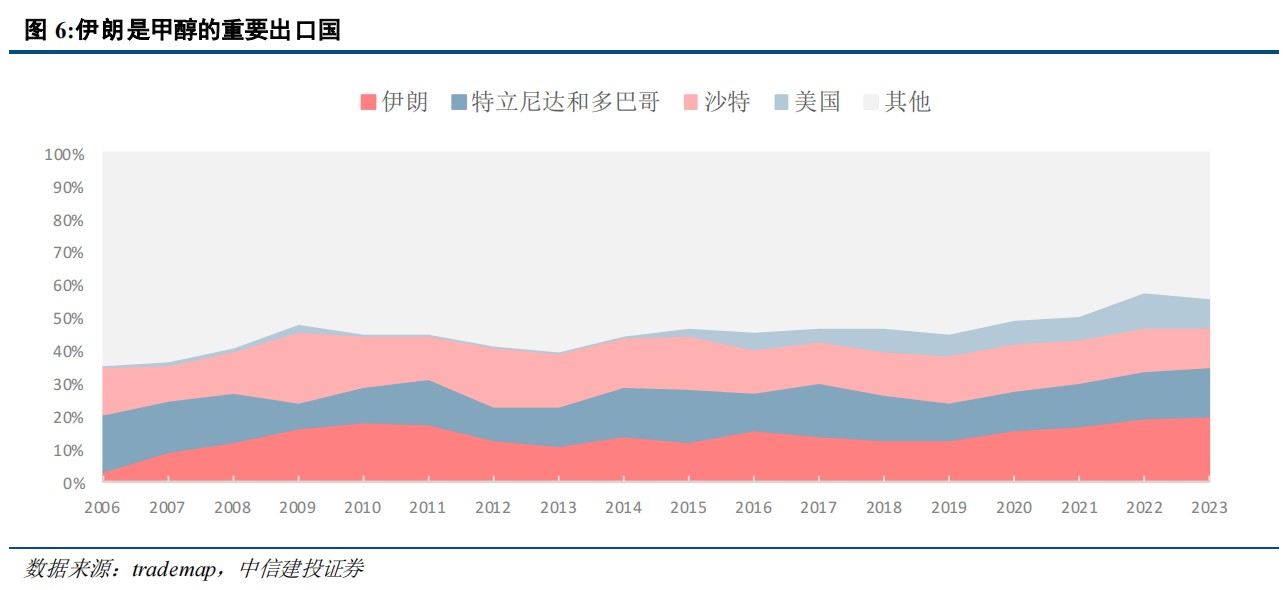
Beneficial Direction Three: Chemicals. Iran is the second-largest methanol producer after China, with WTO data indicating that its methanol exports accounted for about 20% of global trade in 2023, and approximately 55% of China's methanol imports. Iran is also a significant exporter of polyethylene and urea, with an annual urea production capacity of 8 to 9 million tons, accounting for 12% of global trade volume.
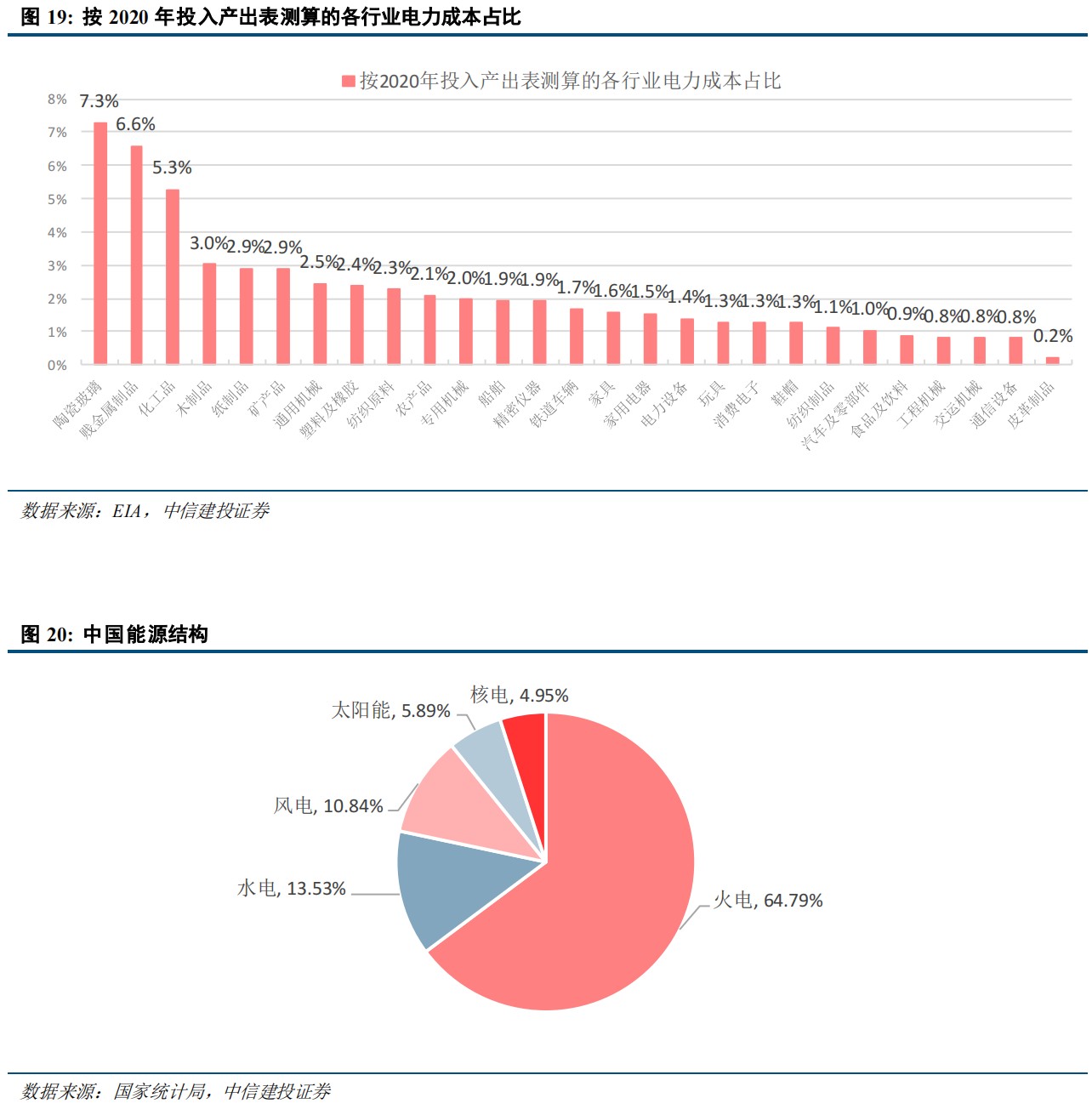
Pressured Direction: Energy-Dependent Industries. The electricity cost share for ceramics, glass, non-ferrous metal products, and chemicals is over 5%, and these industries will be pressured by rising energy prices. Meanwhile, according to Observer Network, China's energy self-sufficiency rate is about 85%, which hedges against some external shocks.
Market Pricing and Tail Risks: Low Extreme Probability, Persistent Risks Worth Monitoring
From the perspective of the term structure, the market is pricing in interruptions to Iranian oil but has not priced in the closure of the Strait of Hormuz. CITIC Construction Investment points out that recent performances of stocks, bonds, currencies, and precious metals have begun to reflect concerns about the persistence of turmoil, with attention shifting to whether oil prices will once again elevate the global inflation center. CITIC Construction Investment tends to believe that the probability of a continuous and comprehensive disruption in transportation is low. According to China News Service, oil revenue accounts for more than half of Iran's foreign exchange income, and the Iranian government claims that its food self-sufficiency rate is about 60%, relying on imports. A long-term disruption in transportation will exacerbate foreign exchange shortages and impact people's livelihoods, Iran's capacity to endure is limited.
Another constraint comes from the United States' interest in stabilizing oil prices. CITIC Construction Investment believes that if inflation rises, the U.S. technology cycle may face a phase-ending, and the restructuring of supply chains will also be hindered. For investors, the key variable is whether the window of global liquidity fluctuations triggered by rising inflation will be extended
