


U.S. software stocks rebounded strongly, with Oracle, which had previously "halved," soaring nearly 10%, marking the largest increase since September

Wall Street is rallying against the "doomsday theory," stating that companies will not easily abandon their existing core systems, and software giants remain irreplaceable. D.A. Davidson analysts upgraded Oracle's rating, asserting that "software is not dead," and companies will continue to pay for Oracle's products. Additionally, the surge in capital expenditures by tech giants has boosted market confidence, with analysts suggesting that at least part of this spending will flow to software companies
Overnight, U.S. software stocks collectively rebounded, as Wall Street analysts voiced strong rebuttals against the "doomsday theory" that artificial intelligence will disrupt the software industry, claiming that the market is overly pessimistic. Leading stocks like Oracle saw significant rebounds, and the tech giants' commitments to increase capital expenditures also boosted investor confidence.
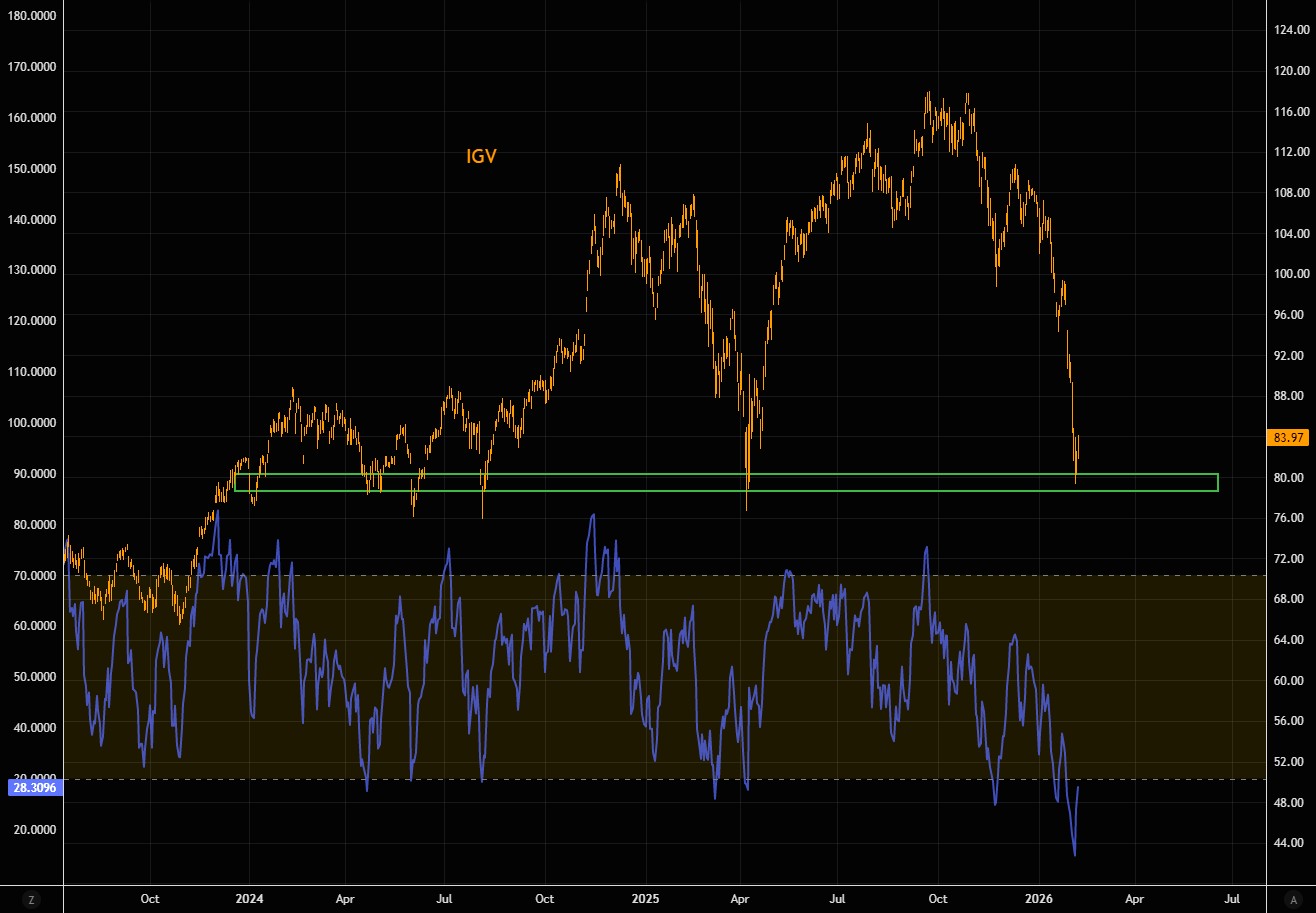
The software sector strengthened overall, with the iShares Expanded Tech-Software Sector ETF rising 3% on Monday, after previously plummeting about 28% from its peak, amid concerns that AI would take over traditional software functions and disrupt its revenue models. Wedbush Securities analyst Dan Ives stated that the recent "doomsday" narrative surrounding software stocks is "extremely exaggerated," and added Salesforce and ServiceNow to the firm's AI 30 list.
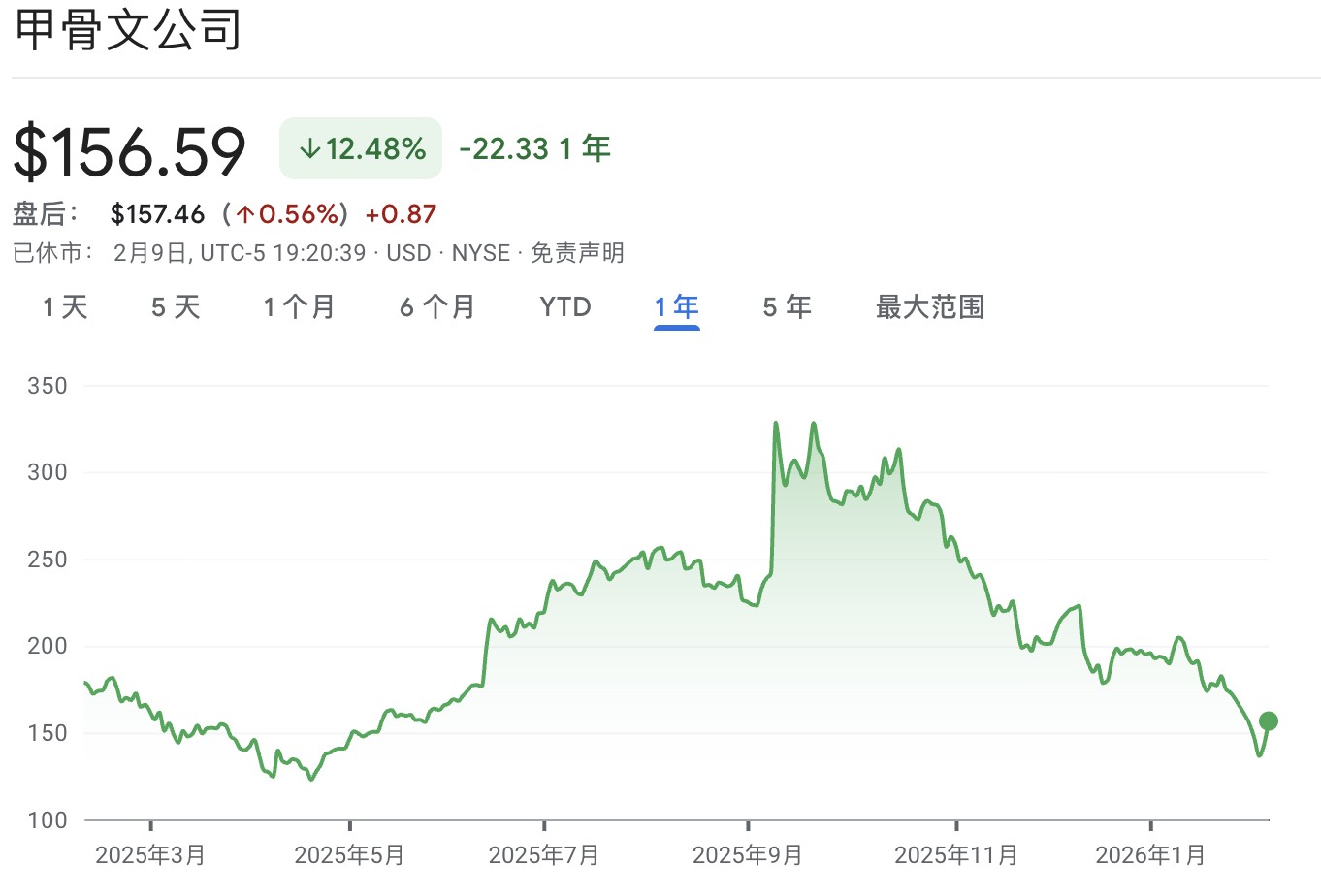
Oracle's stock price surged by as much as 12%, marking the largest intraday gain since September 10, and closed up nearly 10%. D.A. Davidson analyst Gil Luria upgraded the stock rating from neutral to buy, stating bluntly that "software is not dead," and that enterprises will continue to pay for Oracle products, which "will not be easily replaced by coding."
Additionally, Amazon's commitment to invest $200 billion this year in data centers, chips, and other equipment helped alleviate market concerns about AI threats. Some investors are betting that the combined $650 billion AI tool spending by companies like Amazon, Alphabet, Meta, and Microsoft will direct at least a portion towards software firms.
Wall Street's Concentrated Counterattack on the "Doomsday Theory"
Several analysts spoke out intensively on Monday, overturning the pessimistic narrative that the software industry is facing a survival crisis. Ives from Wedbush stated in a research report on Sunday that the market is pricing in a "doomsday scenario" for software companies, and he believes this expectation is "extremely exaggerated." He pointed out that customers are unlikely to take data risks to accelerate AI adoption before migration projects become less complex and risky.
The management of Monday.com also expressed similar views during their earnings call on Monday. Despite the company's stock plummeting 20% due to weak revenue expectations for the quarter and the year, co-founder and co-CEO Eran Zinman stated, customers still love their products and are looking for the best ways to leverage AI technology. "For them, the best way is to use the systems they have already been using, where most of the data, context, and workflows are," he said.
Victoria Fernandez, Chief Market Strategist at Crossmark Global Investments, believes that AI and software companies can "coexist to some extent, but the question is how much pricing power these companies can retain." She added that for those companies that have experienced significant pullbacks but have strong balance sheets, investors can "test the waters."
Oracle's Significant Rebound but Still Far Below Peak
Despite a surge on Monday, Oracle's stock price is still down about 50% from its September high last year, with a year-to-date decline of approximately 20%. D.A. Davidson holds a more optimistic view of the company's partnership with ChatGPT developer OpenAI, after the market previously questioned OpenAI's lack of profitability and the need for rapid growth to meet its substantial spending commitments.
Luria wrote in the research report, "We are now more optimistic about OpenAI, based on its strategic changes, new cutting-edge models, the pressure faced by Google competitors due to its recent rise, and progress in financing."
To meet contract demands from major cloud customers including AMD, Meta, and NVIDIA, Oracle plans to raise $45 billion to $50 billion this year to build additional capacity.
However, Melius Research analyst Ben Reitzes pointed out on Monday that Oracle "does not generate cash flow and cannot guarantee that OpenAI will beat Anthropic and Google." Reitzes stated that he admires Oracle's "full commitment here, but debt and equity may become a pressure point for some time."
Increased Spending by Major Tech Companies Boosts Sector Confidence
The surge in capital expenditure commitments from tech giants has become an important catalyst for the rebound in software stocks. Amazon's commitment to invest $200 billion this year in data centers, chips, and other equipment helped boost market sentiment on Monday.
Some investors believe that the combined spending of about $650 billion by Amazon, Alphabet, Meta, and Microsoft on AI tools will at least partially flow to software companies. This logic provides support for the beleaguered software sector.
In addition to Oracle, other software leaders have also been hard hit. Salesforce is down about 26% year-to-date, and ServiceNow has declined by 32%. The Tech-Software Sector ETF, which includes heavyweight stocks like Microsoft and Palantir, is down 20% year-to-date but rebounded 3% on Monday, indicating that investor sentiment is recovering
