


Retail investors have turned silver into a "mass grave"

From "diamond hands" to "mass grave," a game packaged as a "wealth opportunity" ultimately evolved into a collective stampede of retail investors
"I lost an entire year's after-tax salary today."
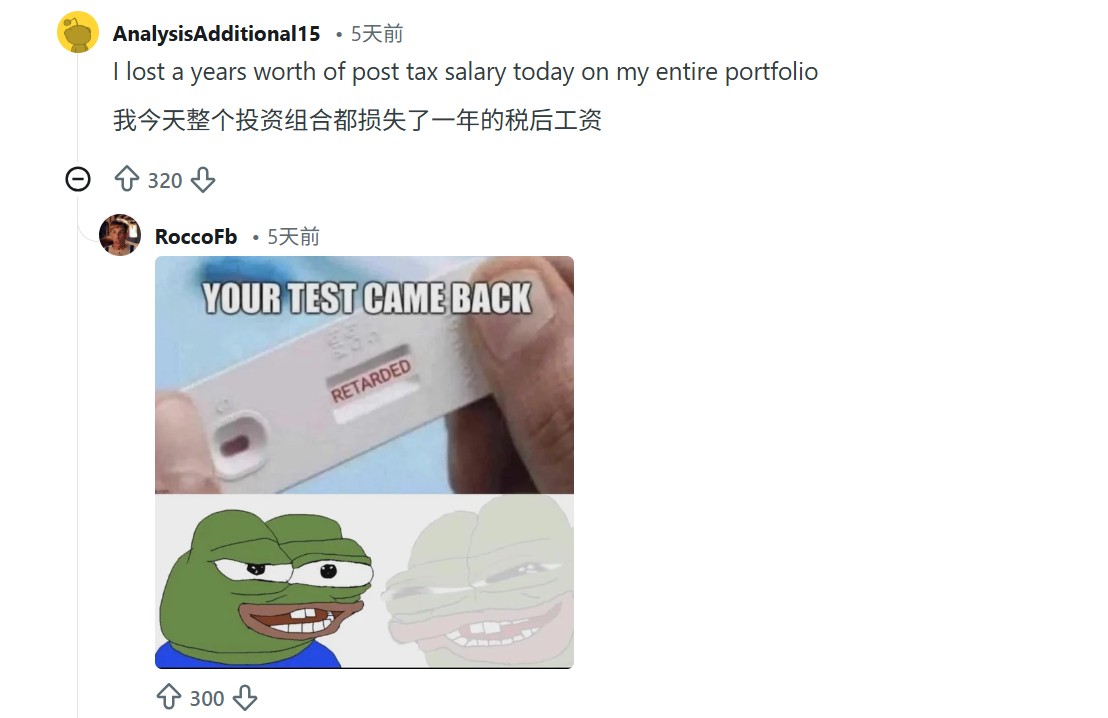
This was a desperate shout left by a Reddit user in the forum last Friday.
Just a few days ago, silver was seen as the "GameStop of 2026," a totem for retail investors banding together against Wall Street. The Reddit forum was filled with "Diamond Hands" memes, vowing to push silver to the moon.
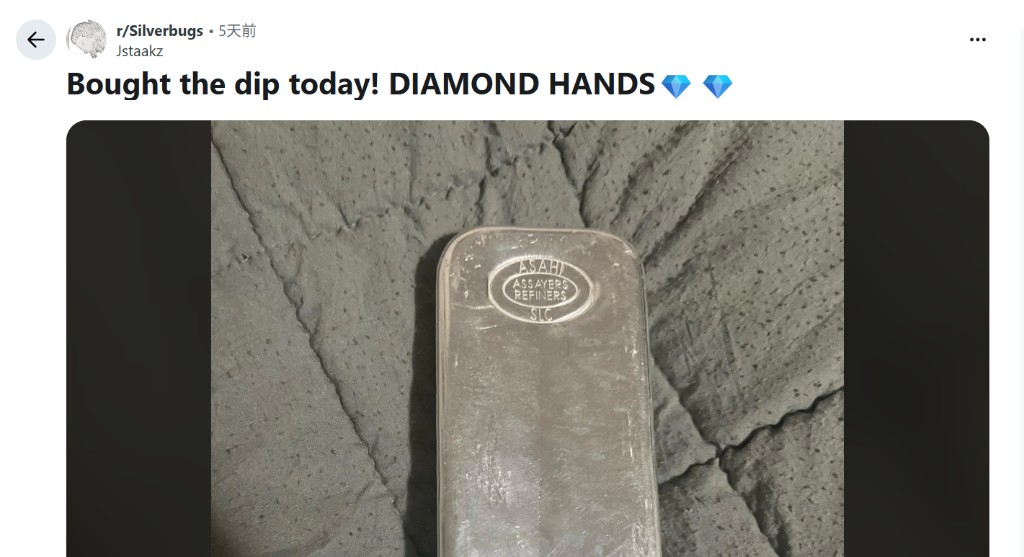
However, the celebration came to an abrupt halt within just three days.
The price of silver plummeted from a high of over $120 per ounce, crashing 40% in three days, erasing recent gains and leaving a shocking cliff on the chart. For those retail investors who bought in at high prices, this was not a correction; it was a massacre. The silver market, which once carried dreams of wealth, has become a "mass grave" for retail investors.
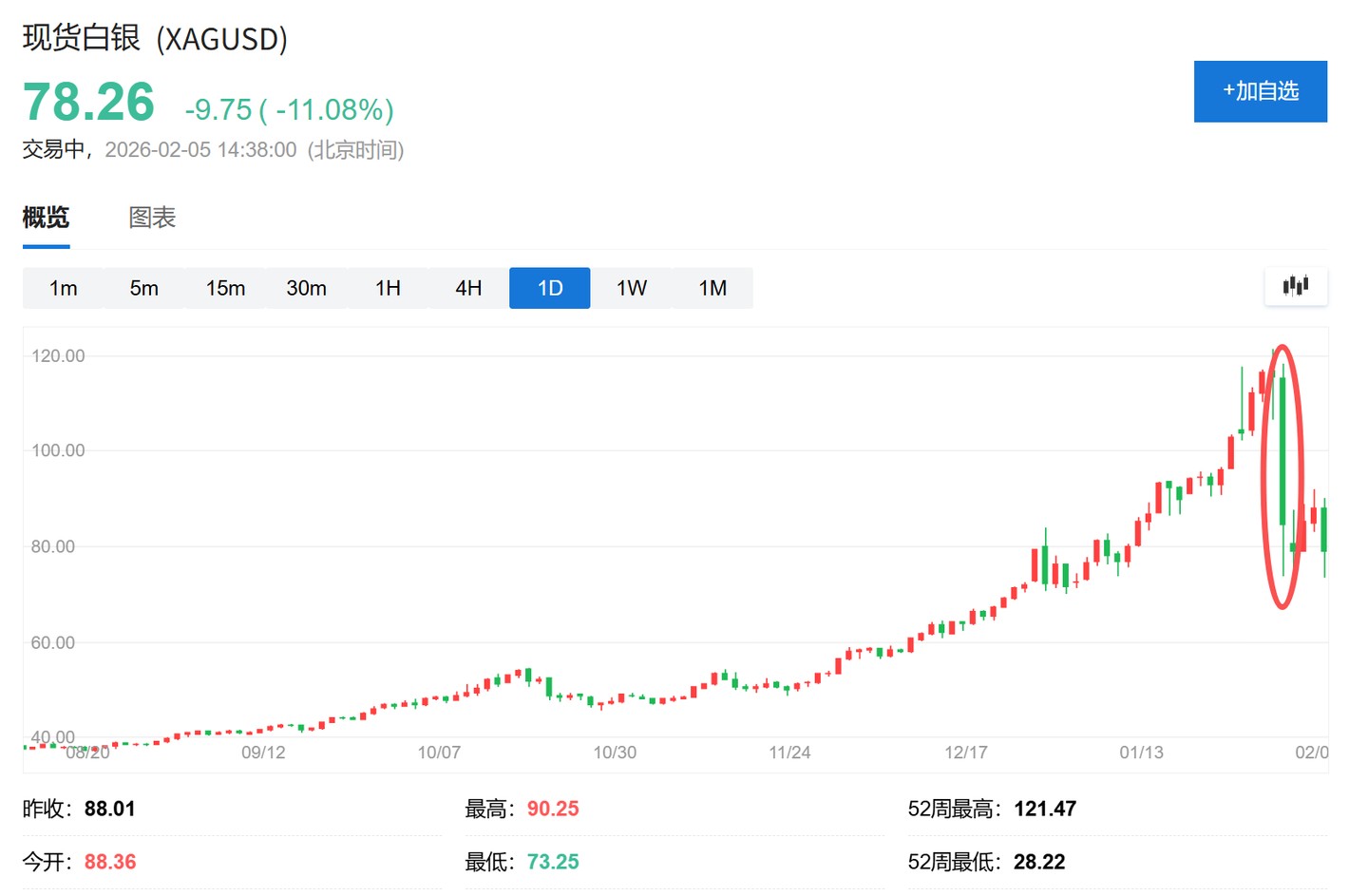
How did all this happen? While we were talking about "short squeezes," the giants of Wall Street had already opened their jaws wide.
The Crazy Casino: When Silver Became a "Meme Stock"
The silver market in January 2026 can no longer be described as rational.
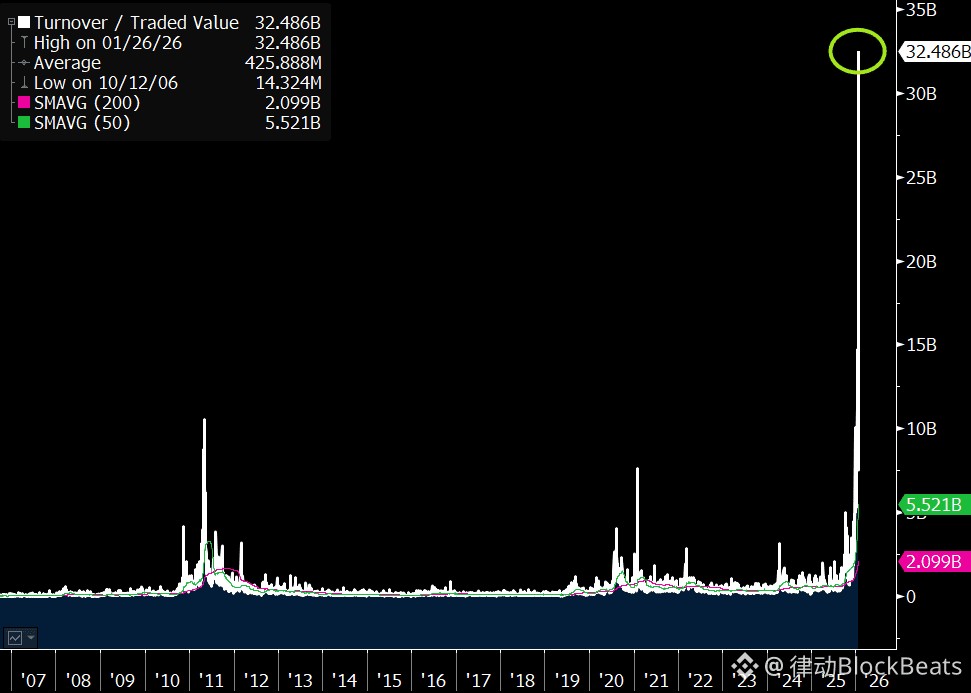
According to VandaTrack data, individual investors injected a record $1 billion into silver ETFs just in January. This frenzy peaked on January 26, when the trading volume of the silver ETF (SLV) reached an astonishing $39.4 billion, nearly matching the $41.9 billion of the S&P 500 ETF (SPY). It's worth noting that this is just a single metal ETF, and its popularity was almost on par with the overall U.S. stock market.
Rhona O’Connell, a market analyst at StoneX, bluntly stated: "Silver is severely overvalued and has fallen into a self-fulfilling madness. Its current performance is like Icarus, flying too close to the sun and destined to be burned."
Social media has become the catalyst for this frenzy. In the WallStreetBets and Silverbugs sections of Reddit, posts about silver surged to 20 times the five-year average. Retail investors flocked into this highly volatile market in droves, just like they did in 2021 with GameStop, trying to drown out the fundamentals with their financial power Michael Antonelli, a market strategist at Bull and Baird, expressed helplessness in an interview with CNBC, stating, "Silver has completely turned into the GameStop of 2026. The price has doubled in three months, completely detached from the fundamentals of industrial demand, purely a vertical surge fueled by retail funds."
But they forgot that silver has a nickname called "steroid gold." It rises wildly and falls without mercy.
The Truth Behind the Crash: Who Pulled the Trigger?
On January 30, the tragedy occurred. Silver faced an epic sell-off within hours.
Media and analysts quickly found a perfect scapegoat: Kevin Warsh was nominated as the chairman of the Federal Reserve.
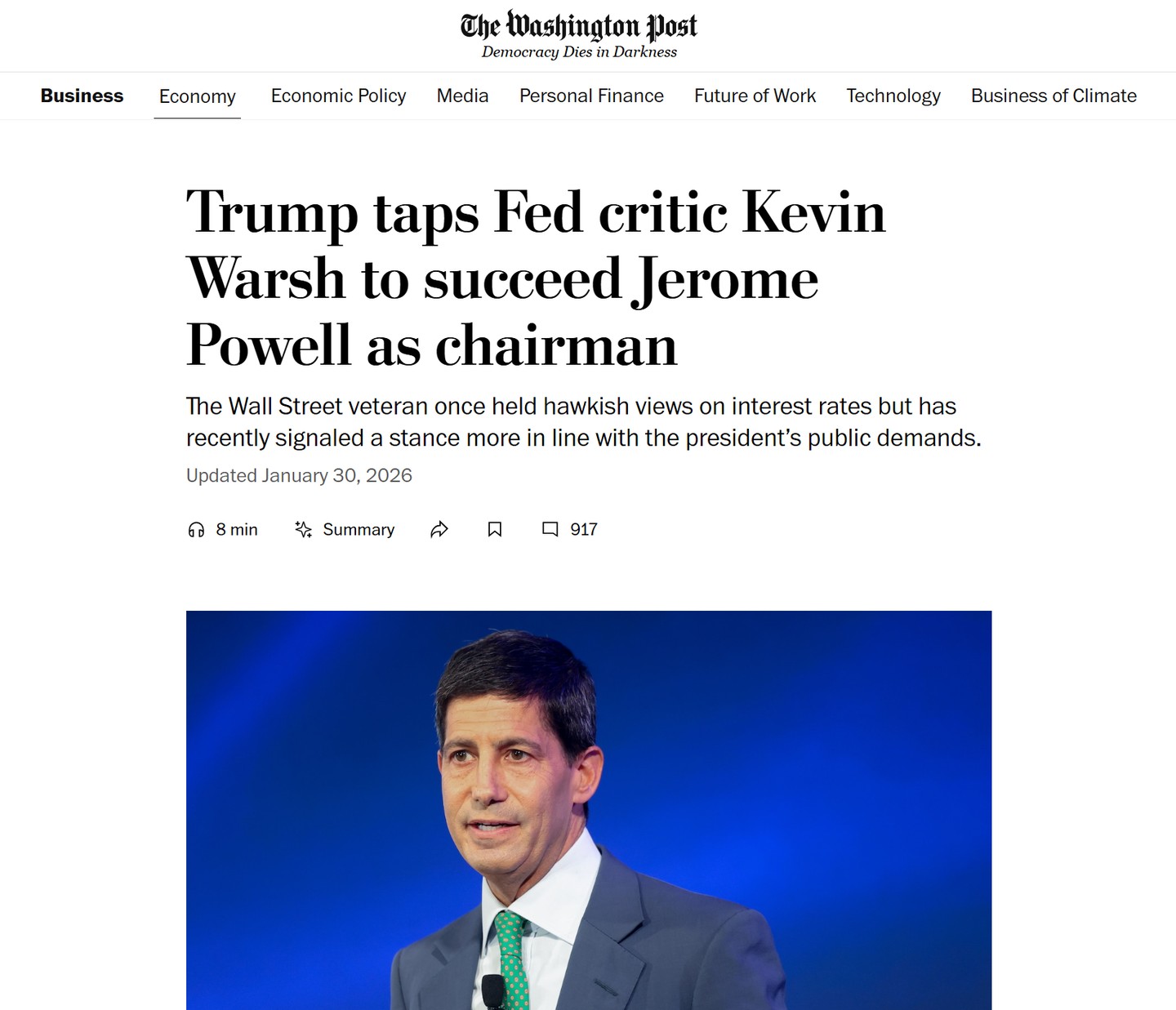
The market logic seemed straightforward: Warsh is hawkish, which means interest rates will remain high, a negative for non-yielding precious metals.
But the truth often lies in the details.
Warsh's nomination was announced at 1:45 PM Eastern Time (1:45 AM Beijing Time on February 1). However, the crash in silver began as early as 10:30 AM on the 30th. More than three hours before the announcement, the price of silver had already plummeted by 27%.
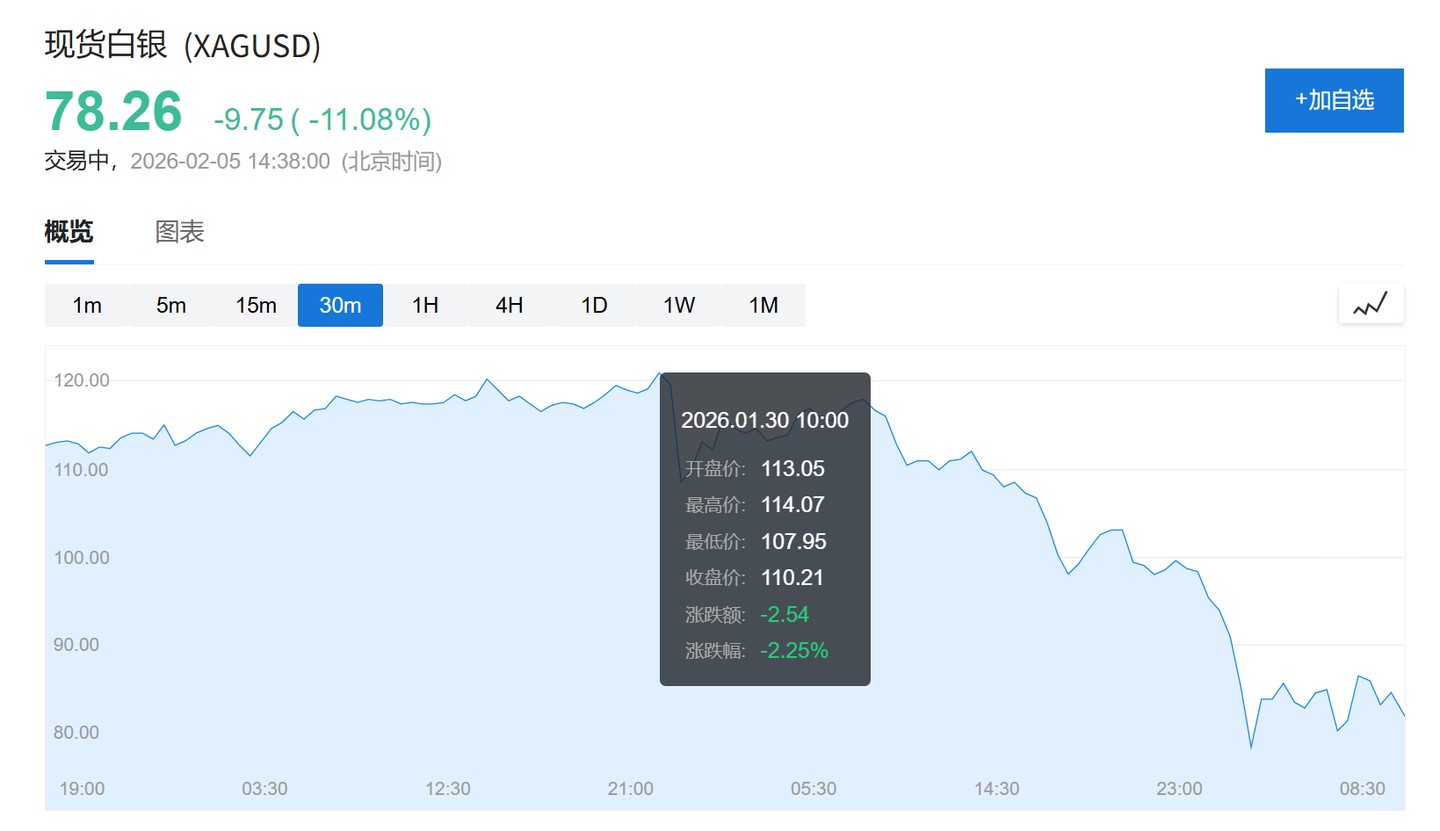
Blaming the Federal Reserve nomination is merely a cover-up for the real "slaughter tool"—margin requirements.
In fact, the true driving force behind this "mass grave" tragedy was the change in exchange rules. The Chicago Mercantile Exchange (CME) raised the margin requirements for silver futures twice in the week leading up to the crash, with a total increase of 50%.
What does this mean?
If you are a retail investor fully leveraged, your account originally needed only $22,000 to maintain your position, but suddenly the exchange requires you to put up $32,500. Can't come up with the extra $10,500? Sorry, the system will automatically liquidate your position, regardless of price or cost.
This is why the crash was so rapid. The margin increase triggered the first round of liquidations, which led to price declines, and falling prices triggered more liquidations. It was a vicious cycle, and retail investors were at the bottom of this cycle.
Wall Street's Scythe: An Asymmetric War
While retail investors were wailing in the "mass grave," what were the institutions doing?
The answer may send chills down your spine: they were harvesting.
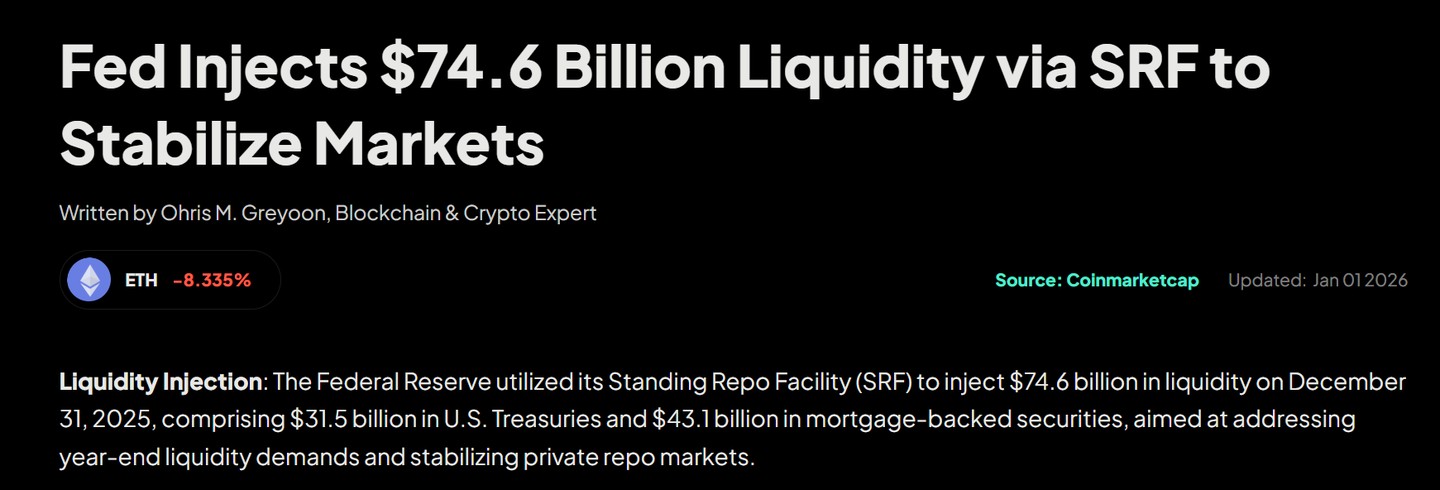
This is not a conspiracy theory, but a blatant structural advantage in the market. According to columnist analyst Luis Flavio Nunes, during this crash, institutions represented by JP Morgan demonstrated textbook-level "harvesting" tactics: While the exchanges raise the margin requirements for retail investors, banking institutions are enjoying the "blood transfusion" from the Federal Reserve.
Data shows that on December 31, banks borrowed a record $74.6 billion from the Federal Reserve's emergency lending facility (SRF). Institutions have ample liquidity to cope with volatility, while retail investors can only passively face liquidation.
On the day of the crash, due to panic selling, the price of the SLV ETF experienced a rare inversion with its physical silver value, with a discount rate reaching as high as 19%.
This was a disaster for ordinary people, but a feast for large institutions with "Authorized Participant" status. They could buy ETF shares at a low price, exchange them for physical silver, and instantly lock in that 19% risk-free profit. On that day, about 51 million shares were "created," meaning approximately $765 million in arbitrage opportunities were divided among institutions.
The most ironic scene occurred at the price bottom. When retail investors were forced to liquidate at a low of $78.29 due to insufficient margin, JPMorgan entered the market. CME records show that JPMorgan took over 633 contracts at this price level, acquiring 3.1 million ounces of physical silver. The blood of your forced losses became their opportunity to buy at the bottom.
Silver is always a death trap
In this wave of market activity, countless retail investors, like the Reddit user mentioned at the beginning, lost years of savings.
StoneX analyst Rhona O’Connell is right: "Silver is always a death trap."
The financial market has never been a fair arena. When retail investors attempt to challenge the iron machine composed of algorithms, leverage, and rule-makers with "sentiment" and "memes," the outcome is often predetermined.
Silver is not GameStop; it is a battlefield far more brutal than stocks. Retail investors think they are charging at Wall Street, unaware that they are unknowingly digging a massive "mass grave" and then lining up to jump in
