


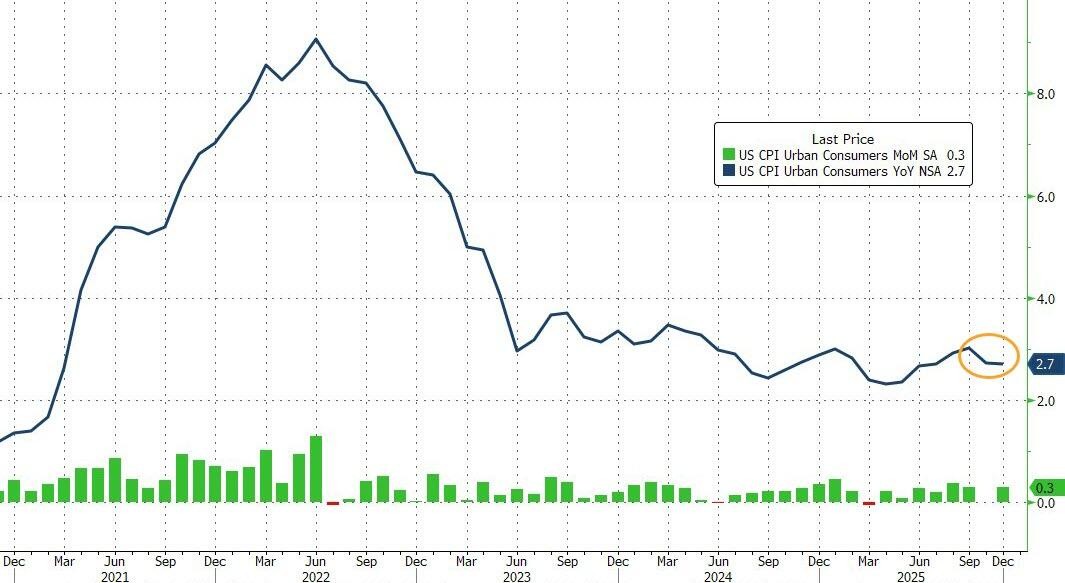
Core inflation cools down! The U.S. core CPI in December rose by 2.6%, matching the lowest level in four years, while the CPI increased by 2.7% year-on-year, in line with expectations

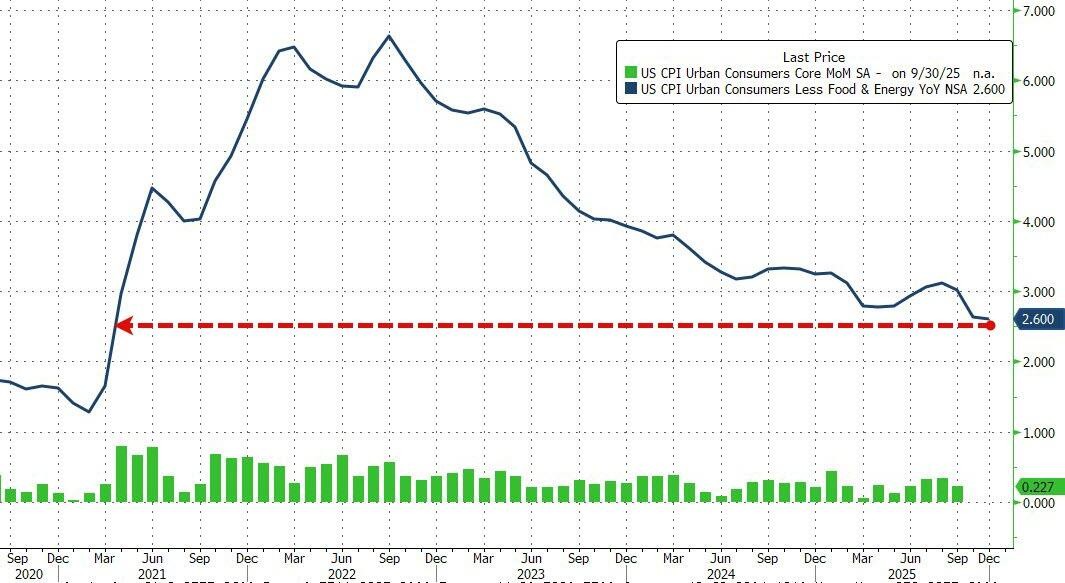
The U.S. December CPI year-on-year and month-on-month met expectations, with the core CPI year-on-year increase of 2.6%, the lowest level since March 2021, and lower than the expected 2.7%; month-on-month at 0.2%, lower than the expected 0.3%. The data strongly confirms the continued slowdown in inflation
The U.S. December CPI year-on-year and month-on-month both met expectations, while the core CPI year-on-year and month-on-month were both below expectations, indicating that current inflation is further slowing down.
On Tuesday, the U.S. Bureau of Labor Statistics released data showing:
- The U.S. December CPI increased by 2.7% year-on-year, in line with expectations, and remained at the lowest level in four years.
- The U.S. December CPI month-on-month was 0.3%, matching expectations and the previous value.
- The core CPI increased by 2.6% year-on-year, matching the previous value, slightly below the expected 2.7%.
- The core CPI month-on-month was 0.2%, matching the previous value, below the expected 0.3%.
This data is seen as a more convincing signal of cooling inflation. Although the November data showed that core inflation year-on-year fell to a four-year low, the reference value of that month's data was questioned due to the limitations in statistical scope caused by the government shutdown, which prevented timely collection of prices for key items like housing; additionally, the delayed data collection in November may have been influenced by holiday discounts.
After the data was released, U.S. stock futures rose, while U.S. Treasury yields and the dollar fell. Traders increased their bets on an earlier rate cut by the Federal Reserve, with the probability of a rate cut in April priced at about 42%, up from 38% before the data was released. However, traders still believe that a rate cut in June (after Powell's departure) is the most likely outcome.
Significant Relief in Housing Inflation Pressure
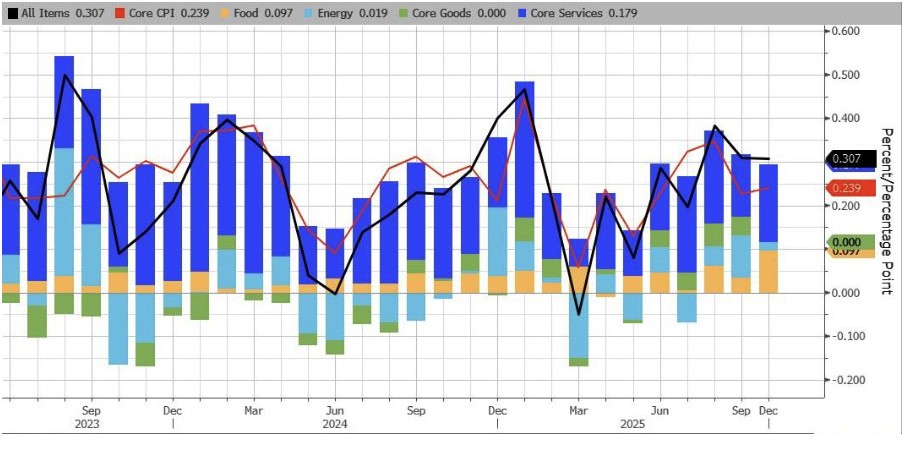
Structurally, commodity prices remained basically flat, with service and food prices being the main drivers of inflation this month.
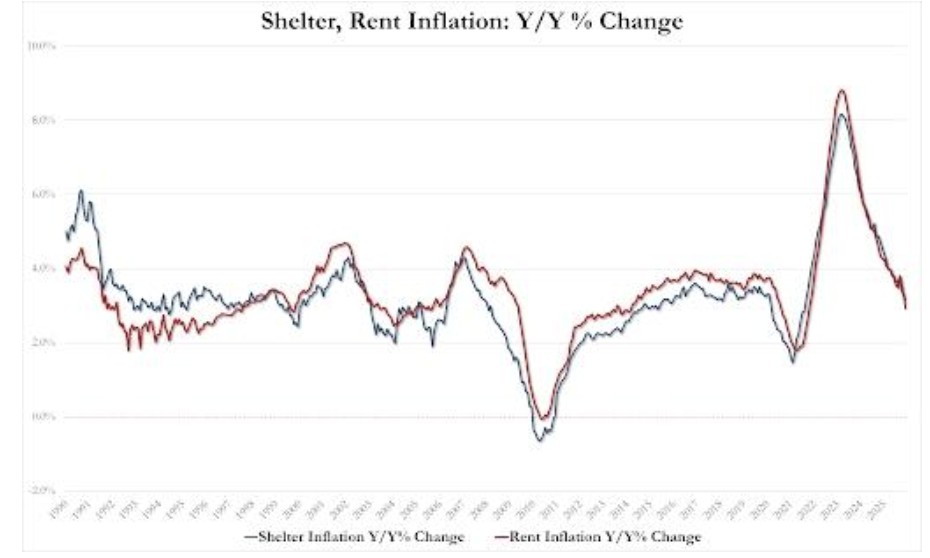
 Housing inflation pressure is significantly easing. In December, overall housing inflation rose by 0.4% month-on-month, with the year-on-year increase dropping from 3.3% in November to 3.2%. The month-on-month rental inflation rate in December was an increase of 0.3%, with the year-on-year increase falling from the previous value of 3.3% to 2.9%.
Core Indicators Slow Across the Board
The core CPI (excluding food and energy), which is more closely watched by the market, rose less than expected: in December, it only increased by 0.2% month-on-month, with a year-on-year increase of 2.6%, matching the previous value and below the market expectation of 2.7% . This year-on-year increase is the lowest level since March 2021 and is seen as further confirmation of the downward trend in inflation following the November data. The November data had previously been affected by the government shutdown, which limited price collection and amplified seasonal discounts, impacting the market's judgment on the true trend of inflation Further breakdown shows that core commodity prices decreased month-on-month, while service prices saw a slight acceleration. Notably, the "super core inflation" indicator tracked by the Federal Reserve (service prices excluding housing) continued to slow year-on-year, dropping to the lowest level since September 2021.
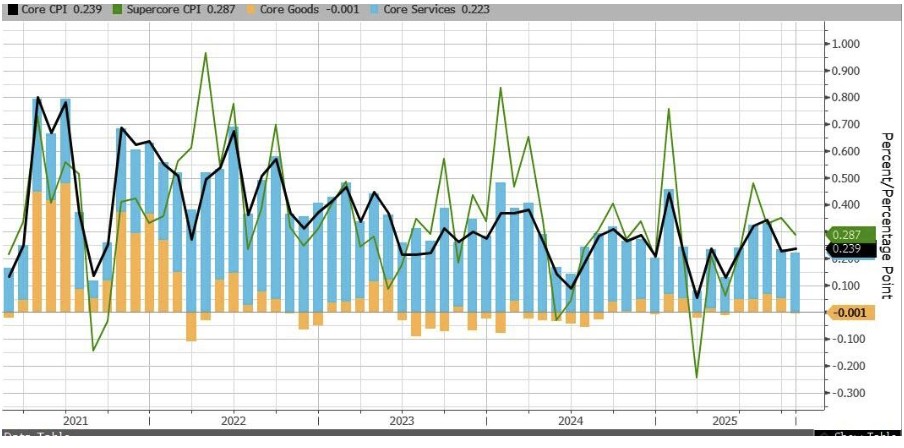
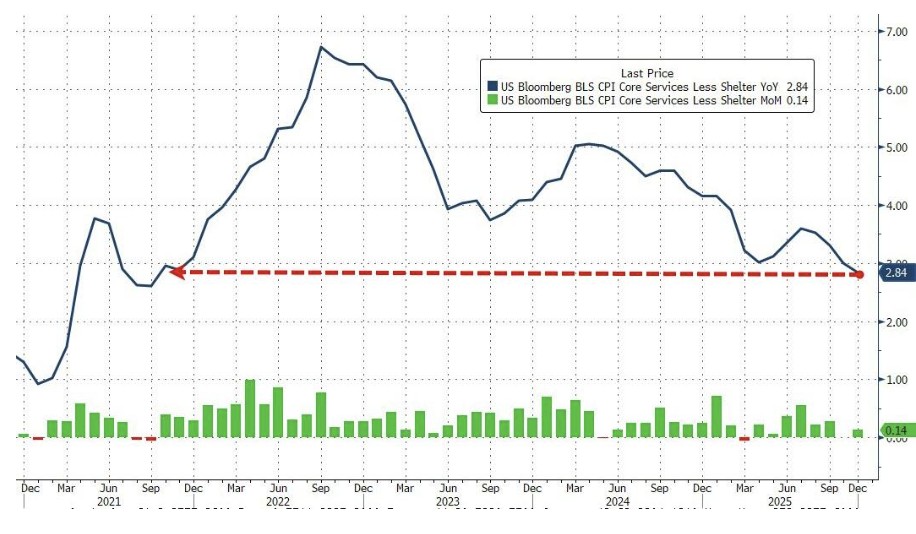
Leisure service prices rose significantly month-on-month, while education service prices saw a noticeable decline.
Overall, the December inflation data indicates that while the overall CPI remains stable, the increase in core inflation is significantly lower than expected, further reinforcing the judgment that inflation is clearly in a downward trajectory. This result helps alleviate market concerns about the Federal Reserve potentially easing policies too early, leading to a risk of inflation rebound similar to the 1970s
